WGI Whitepaper Download the Whitepaper
Seven decisions that determine whether a public space lasts

What Makes a Park World-Class

Most parks are judged on the day they open. The more useful measure comes years later: on a July afternoon when the slide has been in full sun since 10 a.m., after the third storm of the season, or during a budget cycle when park maintenance is competing with road repair for the same dollars. A world-class park still works on those days.

This whitepaper walks through the seven decisions that make the difference, in the order an owner meets them, using six parks WGI teams helped deliver in Florida and Texas.

Jason Mihalovits, PLA, LEED AP
Director, Landscape Architecture, WGI
Darcy Nuffer, PLA, ASLA, LEED AP
Studio Manager, WGI
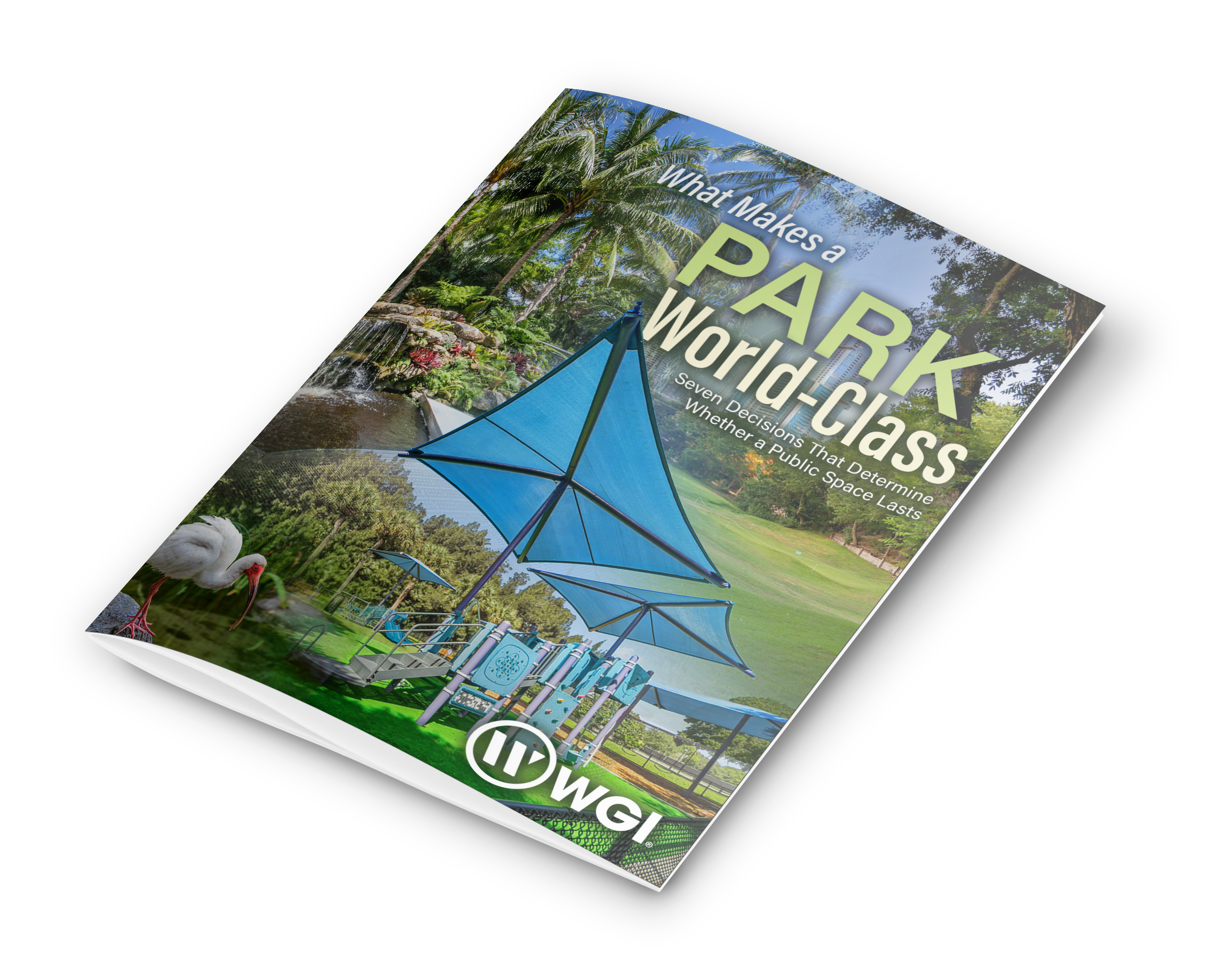
What Makes a Park World-Class whitepaper cover
Free whitepaper
Get your copy of What Makes a Park World-Class
$3 for every $1 Trust for Public Land's 2026 ParkScore analysis found city parks return $3 in benefits for every $1 invested. Getting that return depends on decisions made long before opening day.
Where parks fall short

Parks get planned around what they'll have. The best ones are planned around how they'll perform.

The conversation usually centers on amenities: a playground, a pavilion, courts, a trail. Far less attention goes to how the park will perform once it's built and who will maintain it. That gap is where most long-term problems begin, and each of them costs far more to fix after construction than during planning.

01

Too hot to touch

Play equipment in full sun becomes unusable for much of a Florida or Texas summer.

02

Muddy fields, eroding trails

Poor drainage shows up after every storm and never fully goes away.

03

Amenities no one uses

Features chosen without real community input sit empty.

04

No plan for upkeep

Features fall into disrepair because no one budgeted the staff to maintain them.

Inside the whitepaper

Seven decisions, six parks

Each decision comes with the questions owners should ask, and a park in Florida or Texas that shows what the answer looks like on the ground.

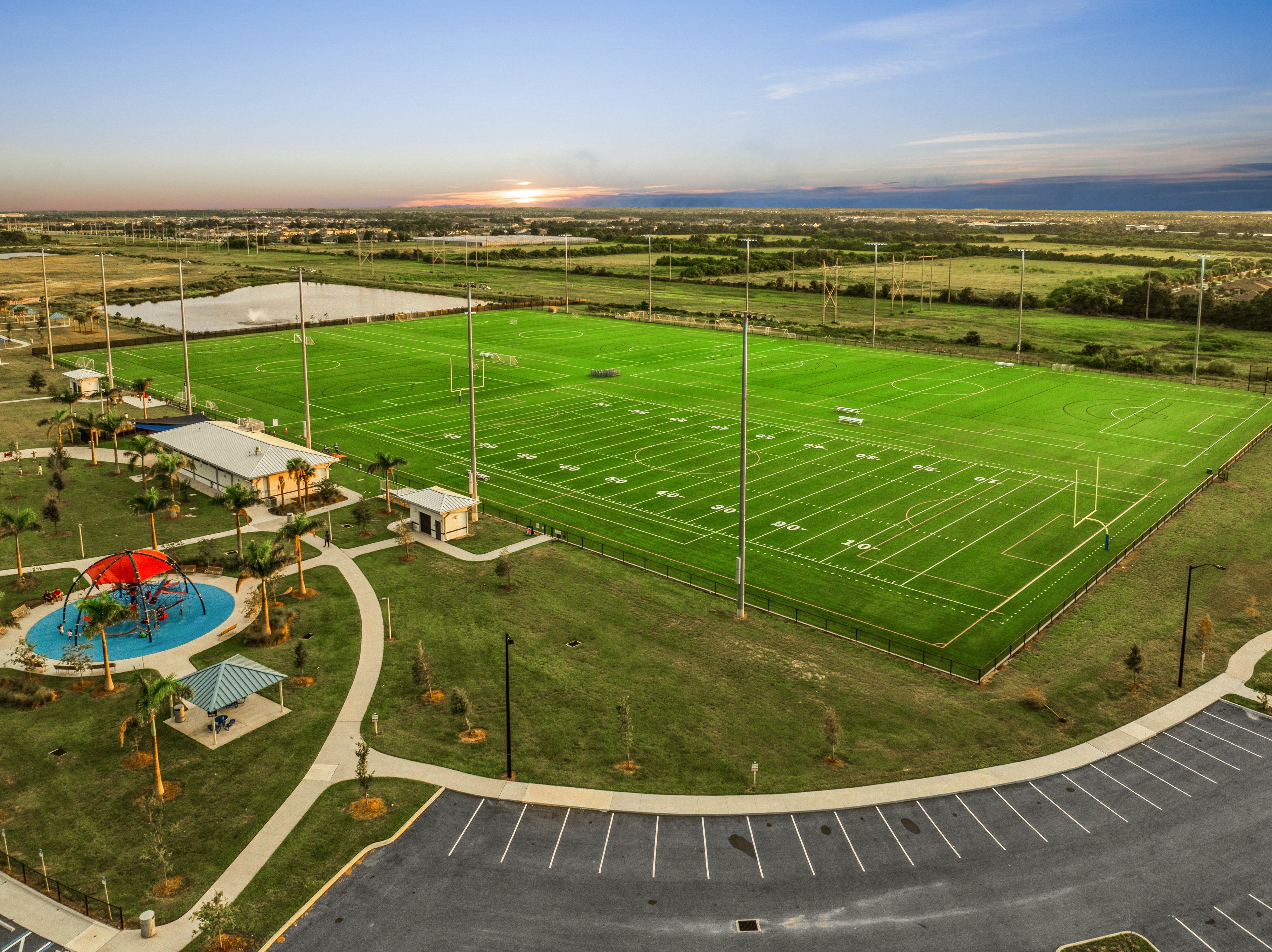
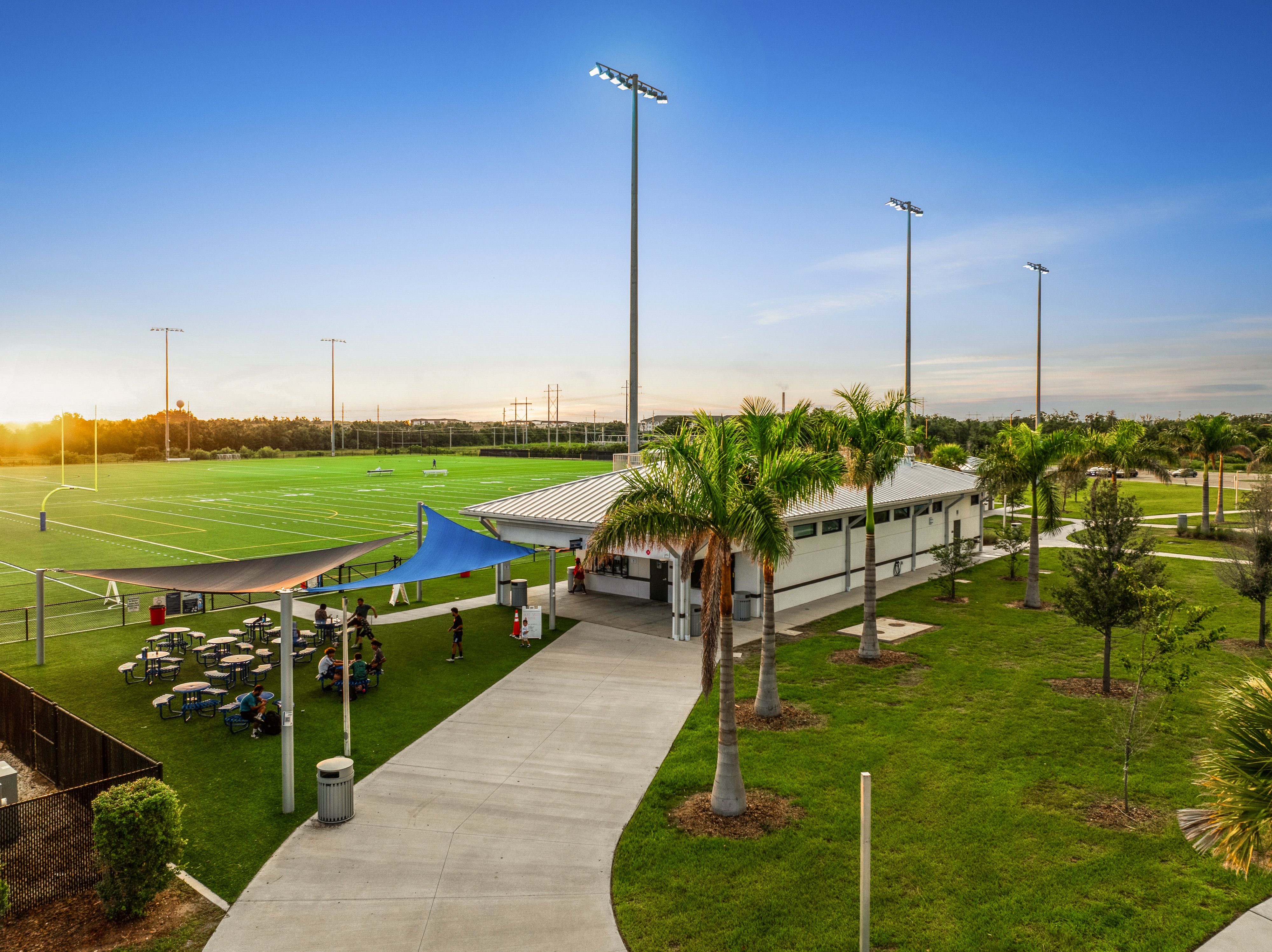
Waterset Sports Complex fields in Apollo Beach, Florida
Decision 1

Plan funding and operations before design starts

Bonds, capital budgets, tax increment, partnerships, grants. The funding model shapes scope, schedule, and who maintains the park.

“What will this park cost to maintain each year?”

Waterset Sports Complex · Apollo Beach, FL
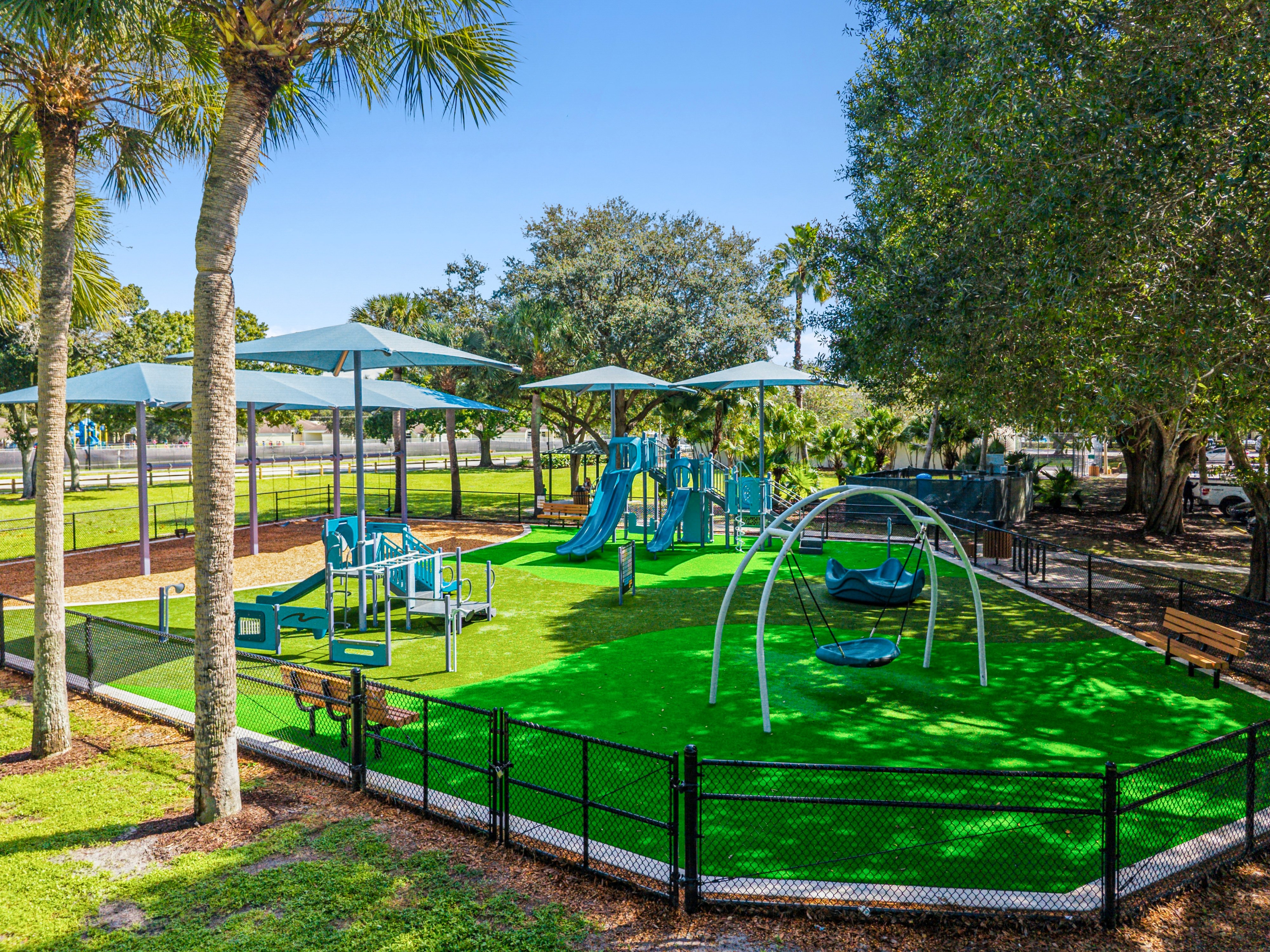
Maplewood Park playground in Jupiter, Florida
Decision 2

Bring the community into the design

Interactive 3D renderings let residents move through the proposed playground and comment while changes were still inexpensive.

“How will we hear from residents who rarely attend public meetings?”

Maplewood Park · Jupiter, FL
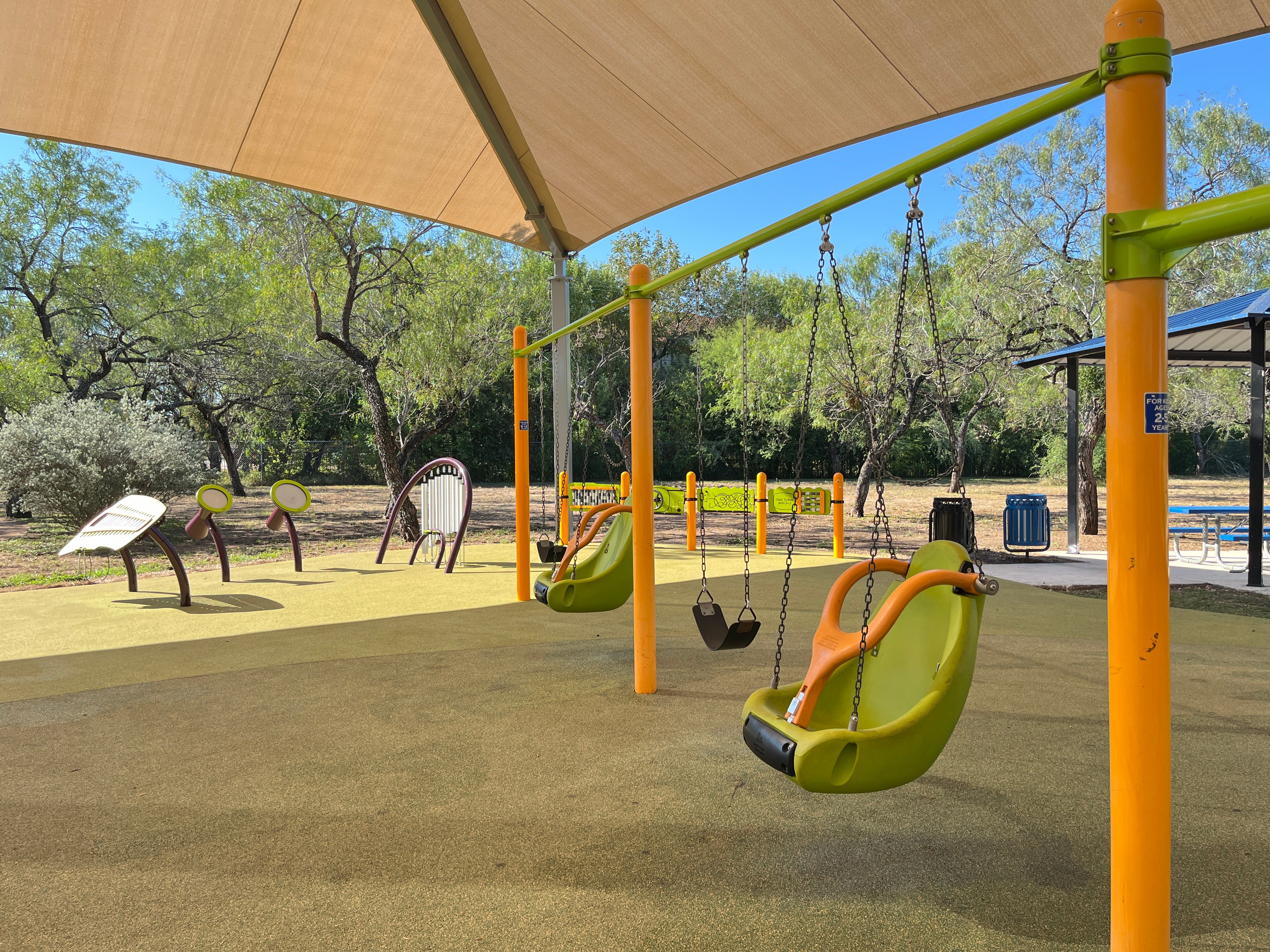
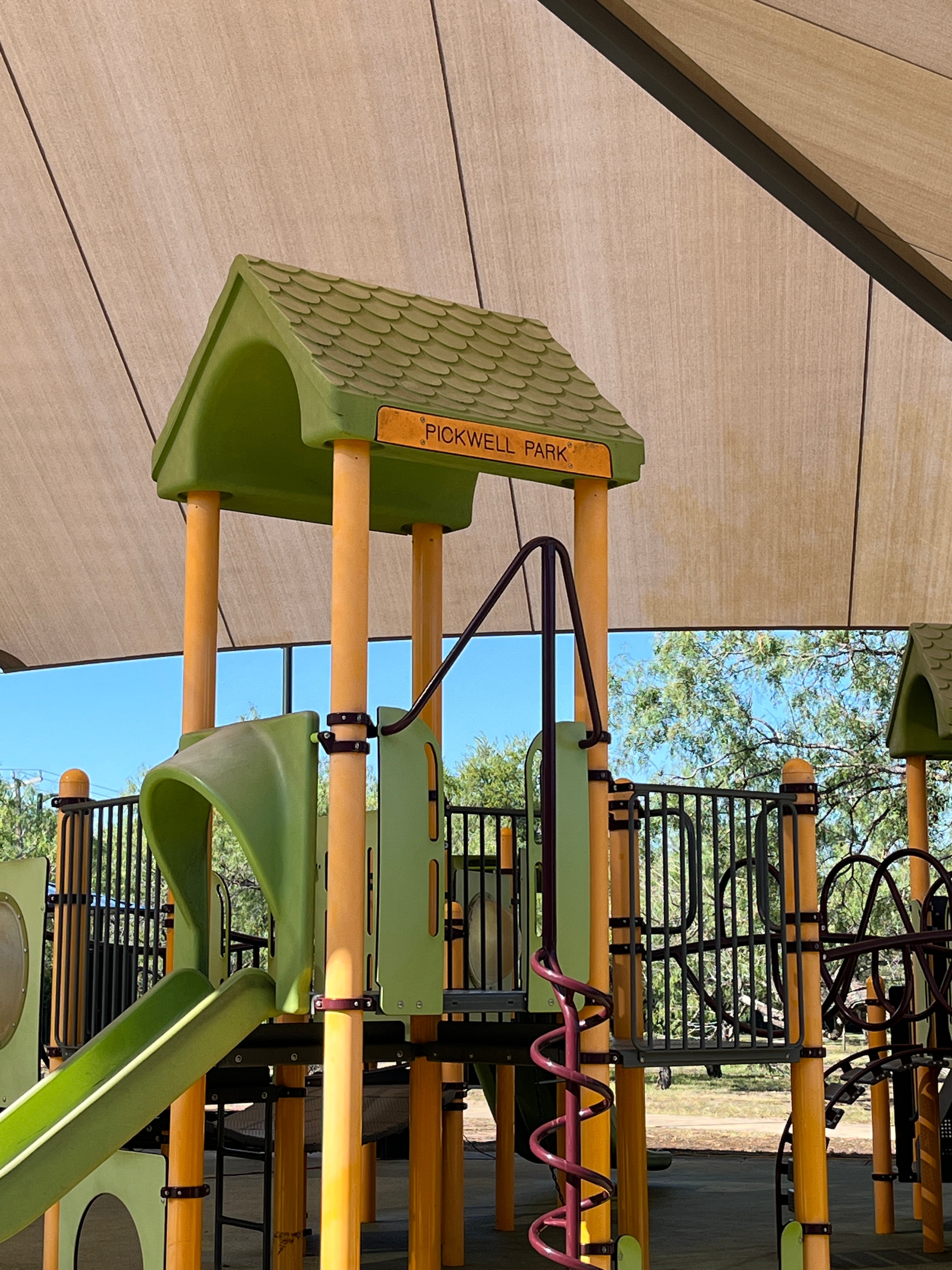
Shaded playground at Pickwell Park in San Antonio
Decision 3

Design for the climate

Shade, materials, and color decide how many hours of the day and months of the year a park is usable.

“Where will shade fall at 3 p.m. in July?”

Pickwell Park · San Antonio, TX
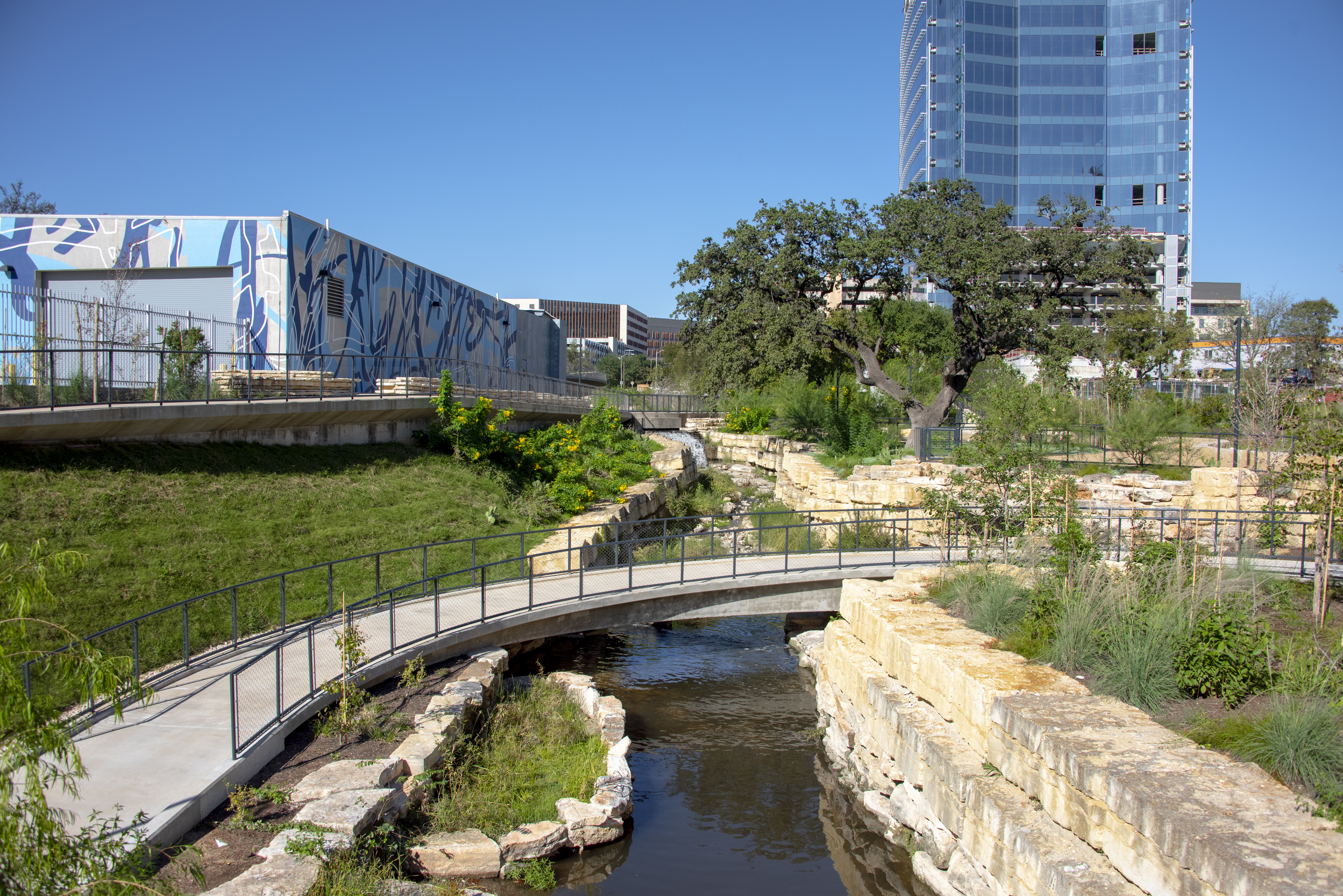
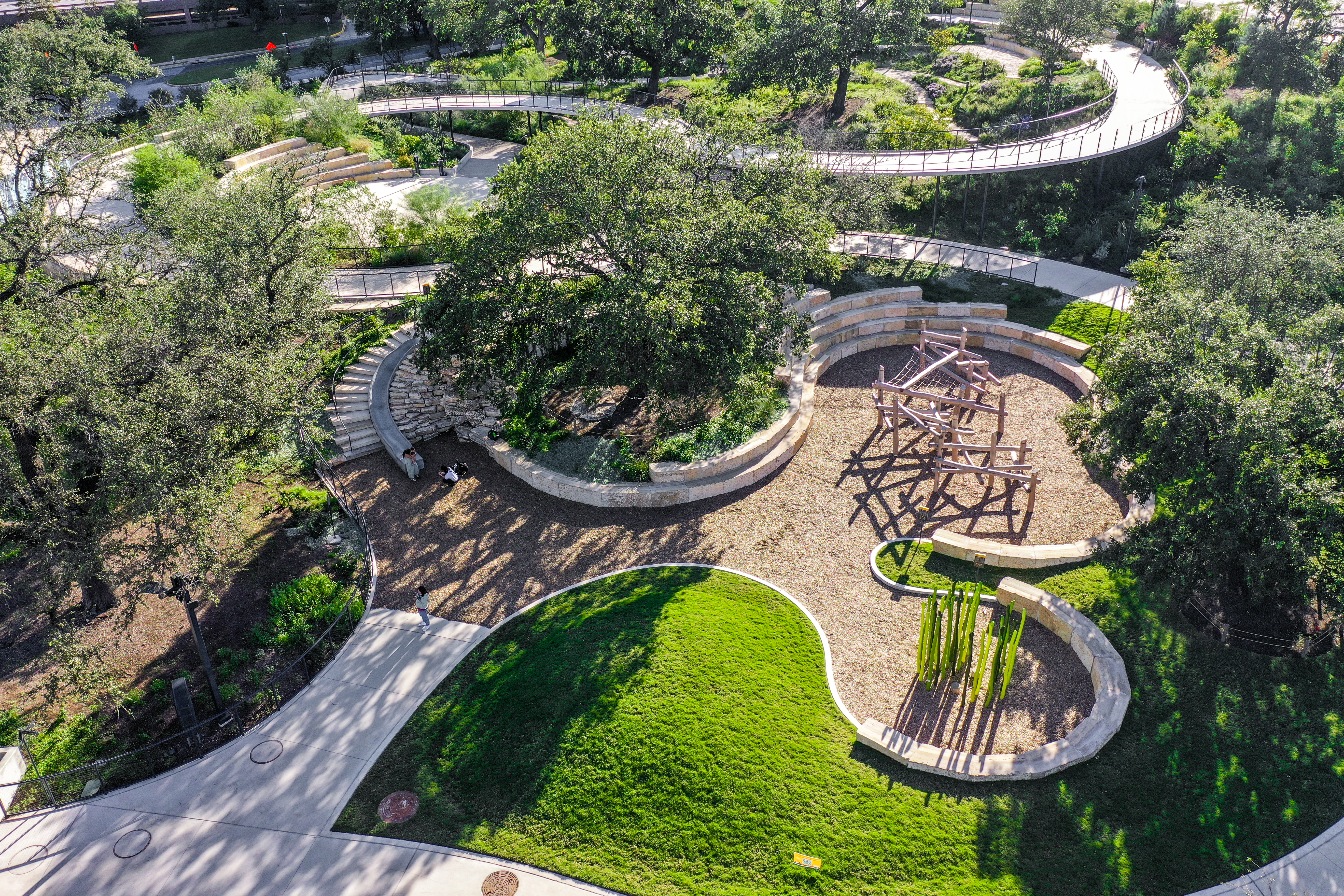
Restored Waller Creek at Waterloo Greenway in Austin
Decision 4

Treat the park as infrastructure

Parks hold stormwater, slow floodwater, filter runoff, and cool the streets around them when they're designed to from the start.

“Can the park absorb, treat, or slow that water?”

Waterloo Greenway · Austin, TX
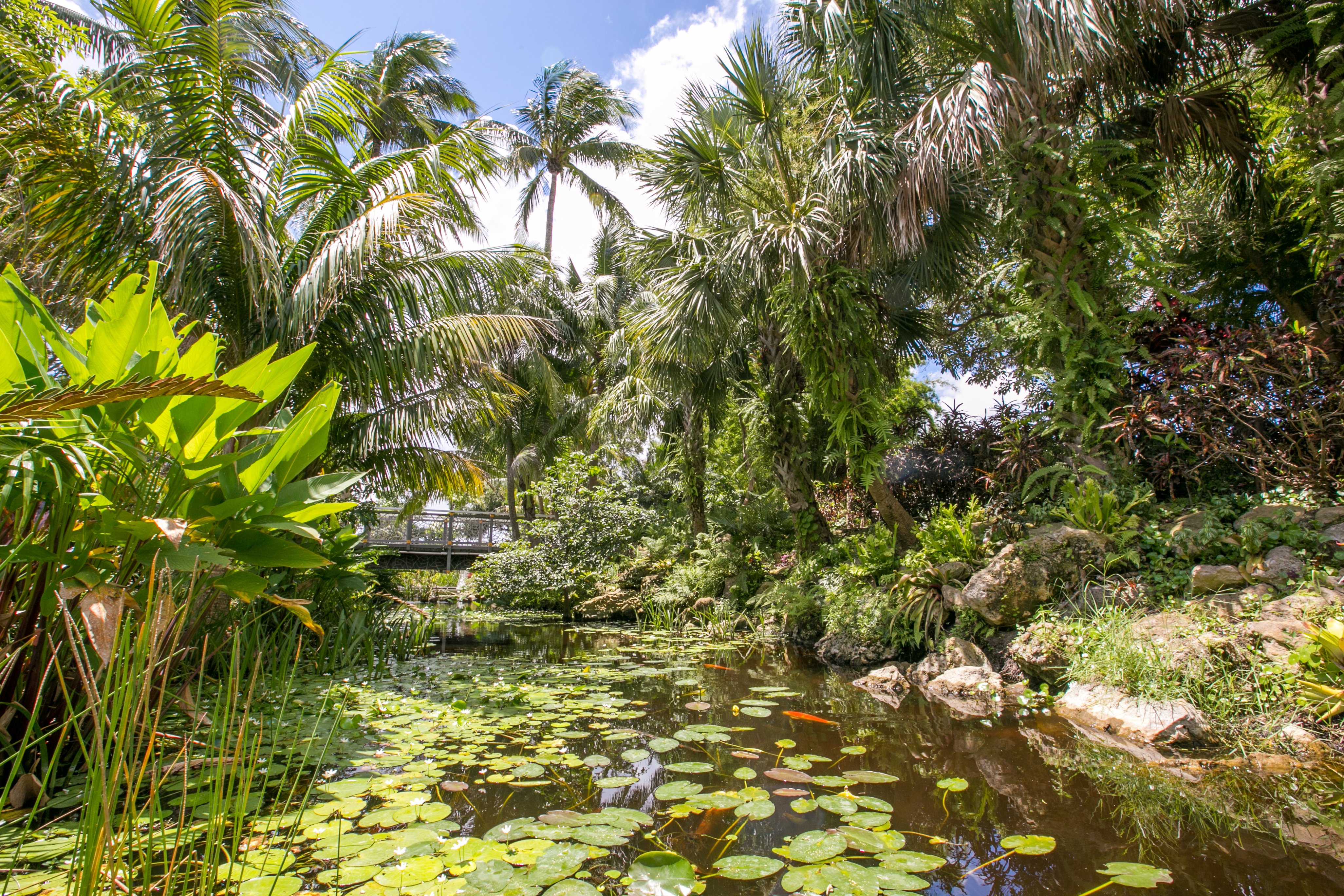
Wetland garden at Mounts Botanical Garden in West Palm Beach
Decision 5

Work with the native ecosystem

A quarter-acre corner of a retention pond became a wetland garden whose walkway floods after heavy rain and reappears within a day or two.

“Where should habitat be protected from foot traffic altogether?”

Mounts Botanical Garden · West Palm Beach, FL
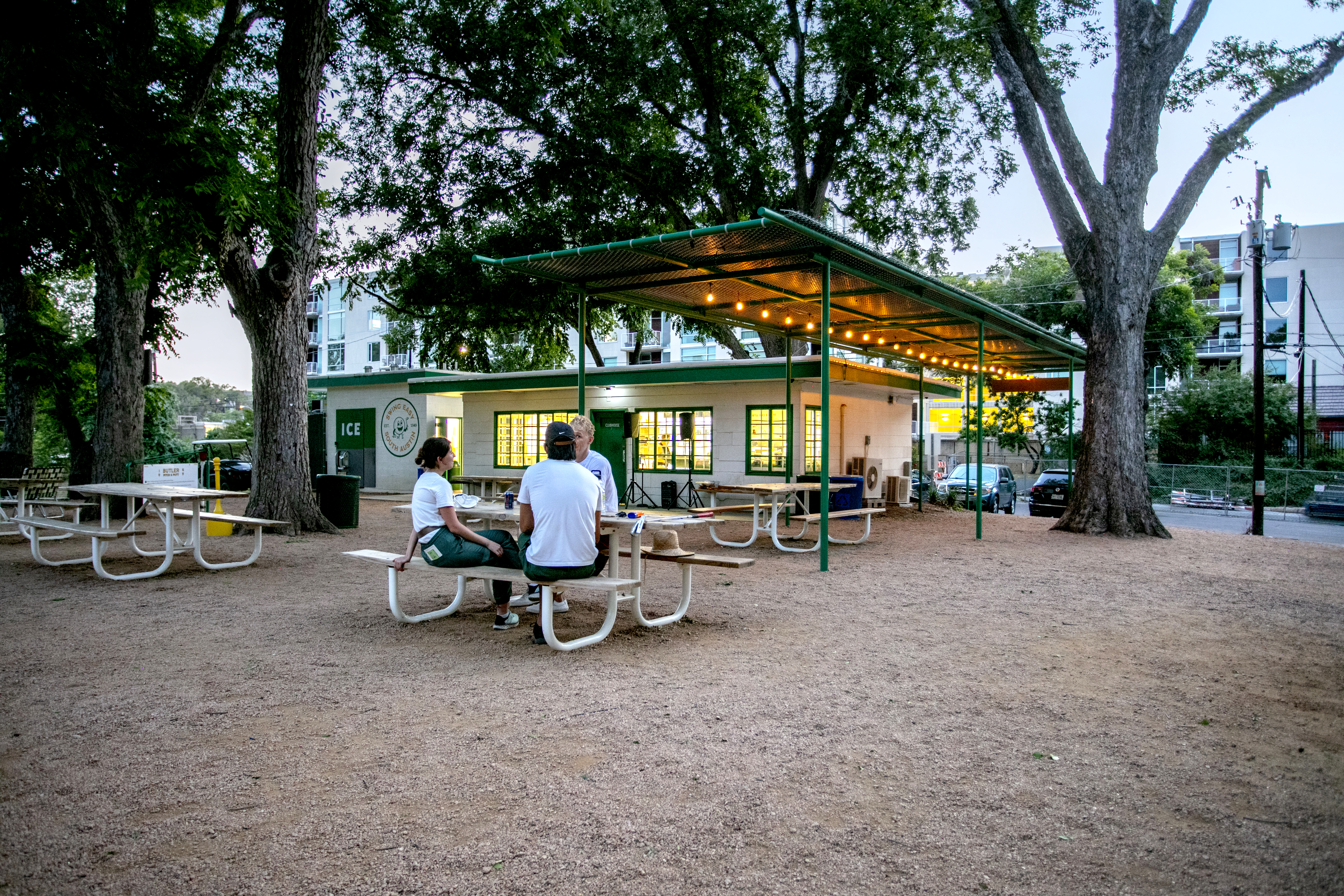
Clubhouse courtyard at Butler Pitch and Putt in Austin
Decision 6

Plan the infrastructure the program depends on

Every park can only host what its utilities support. Restrooms, evening leagues, and events all start in the civil and MEP design.

“What programming do we expect here in ten years?”

Butler Pitch & Putt · Austin, TX
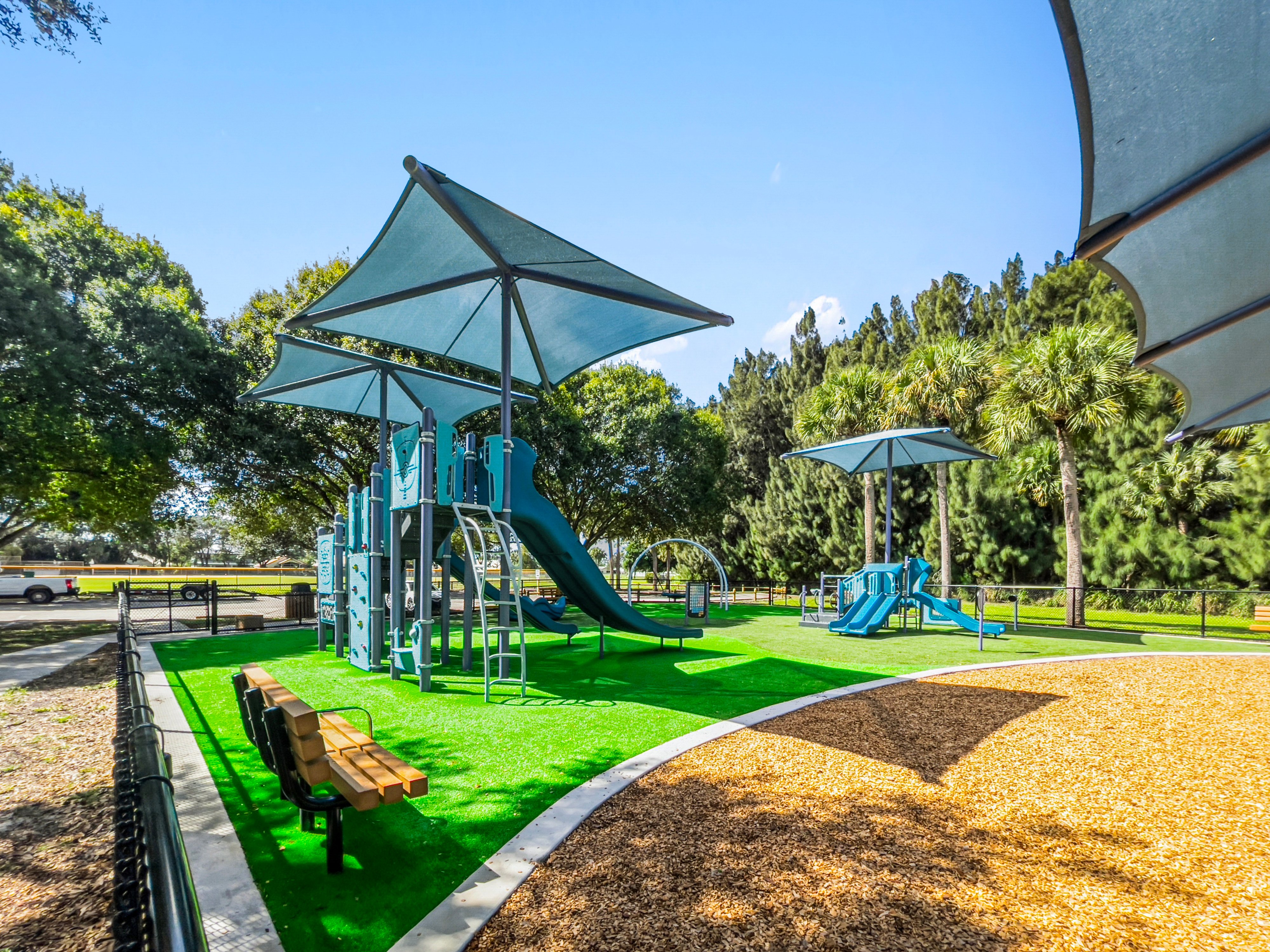
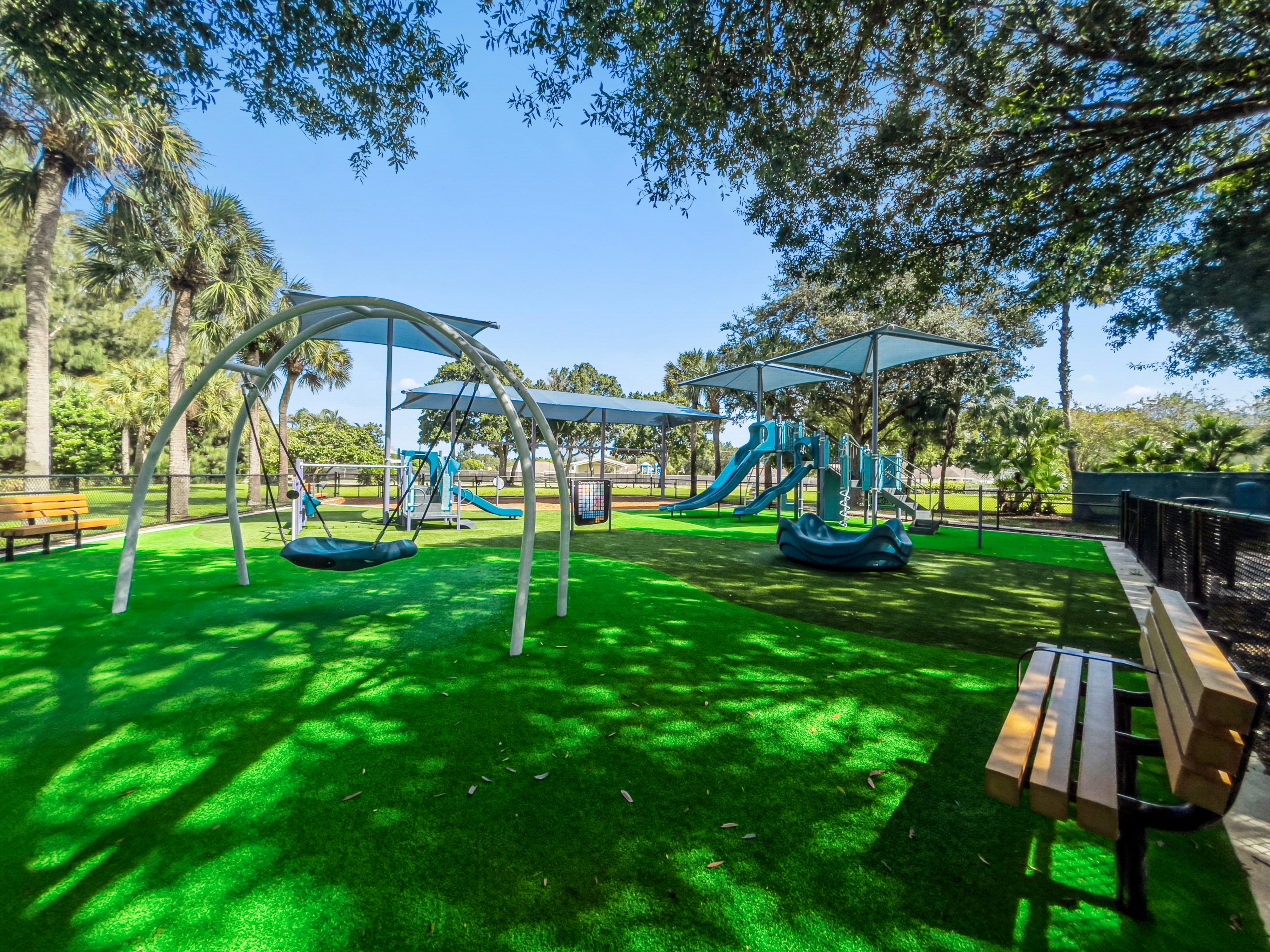
Inclusive playground under shade sails at Maplewood Park
Decision 7

Design for all abilities

The ADA sets the minimum. All-abilities design reaches physical, sensory, and cognitive needs, from young children to older adults.

“Can every child reach each type of play?”

Maplewood Park · Jupiter, FL
Questions owners should ask
Get all seven decisions and the full list of questions for each.
Download the whitepaper
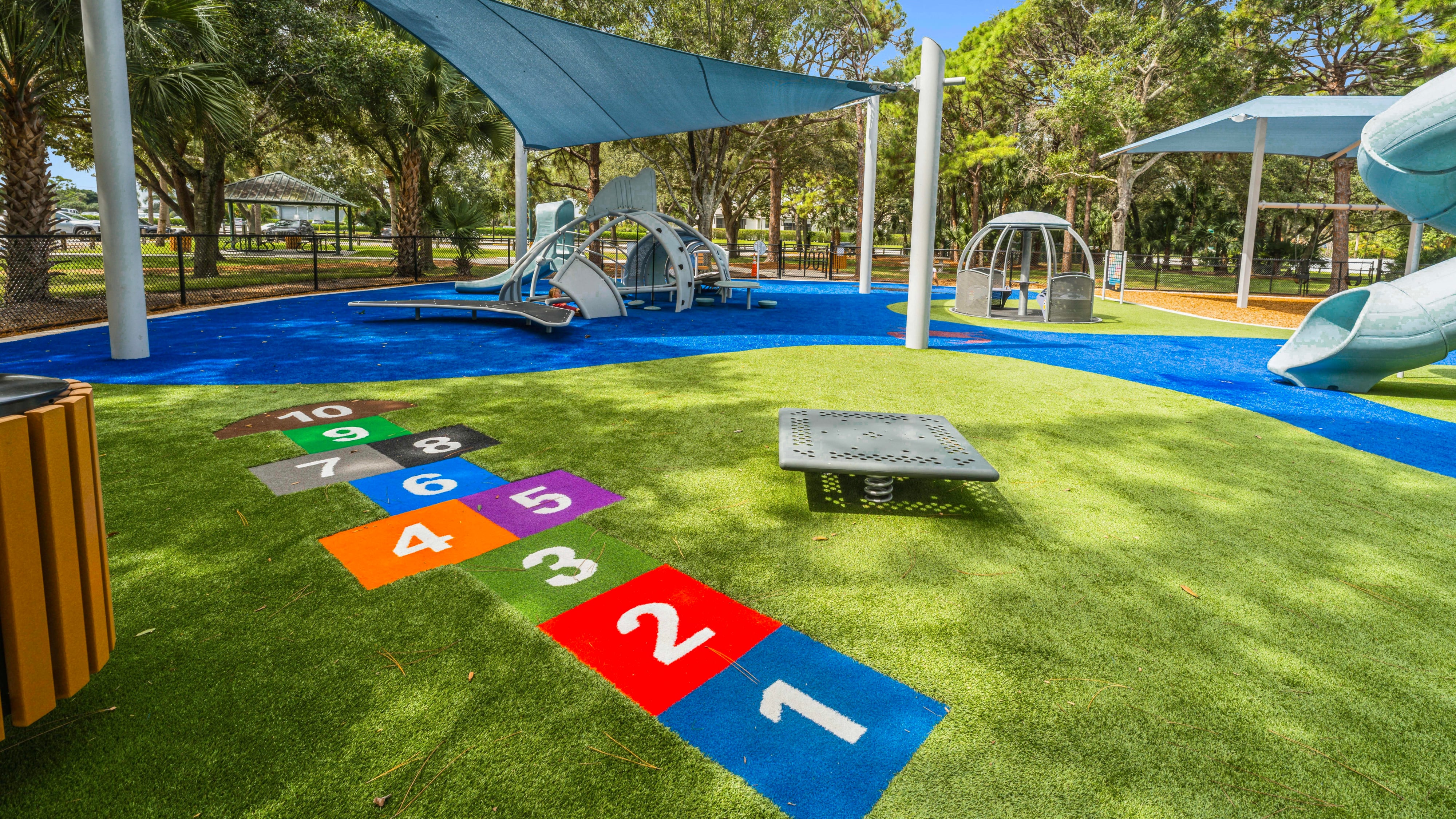
Colorful play surfacing at Maplewood Park
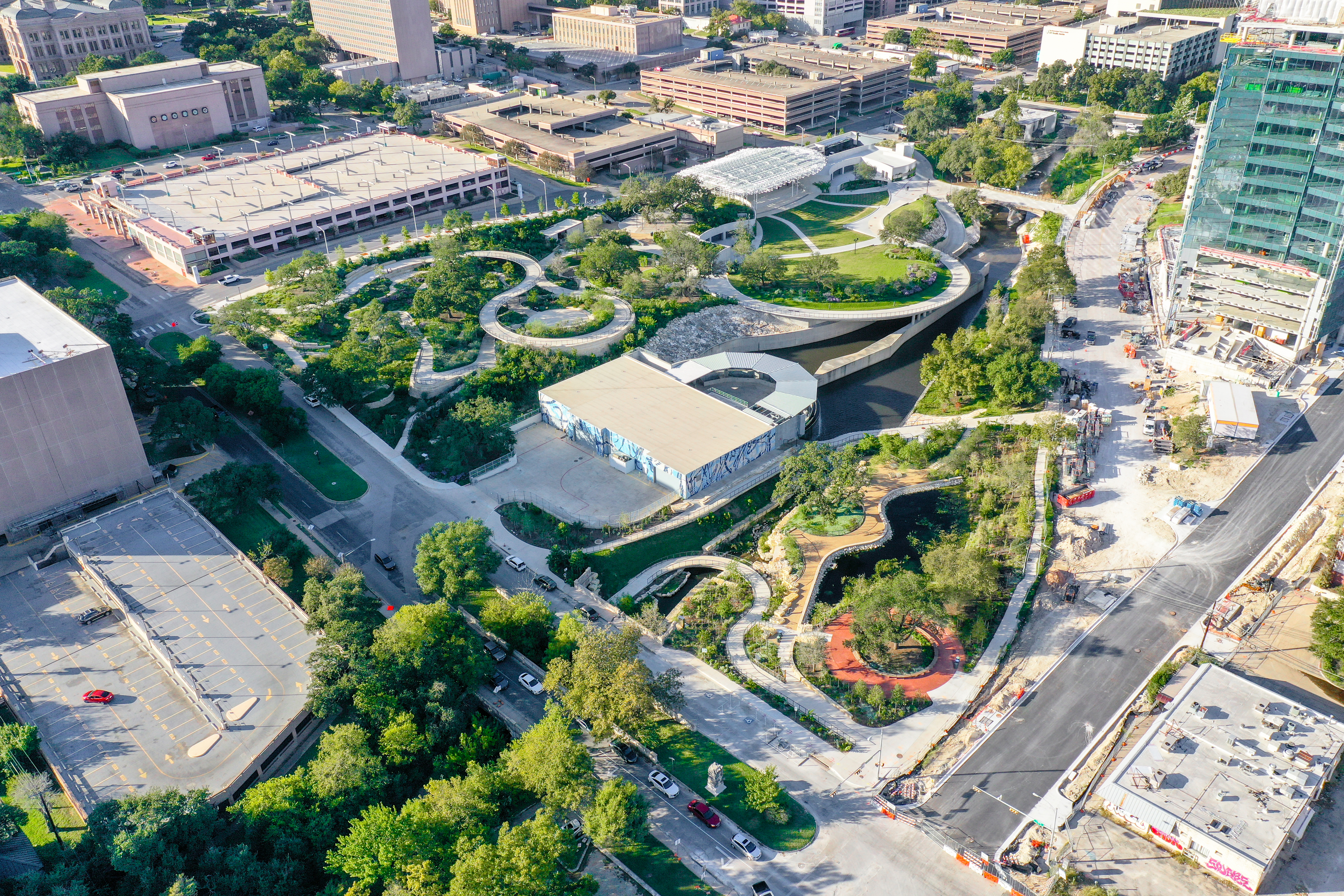
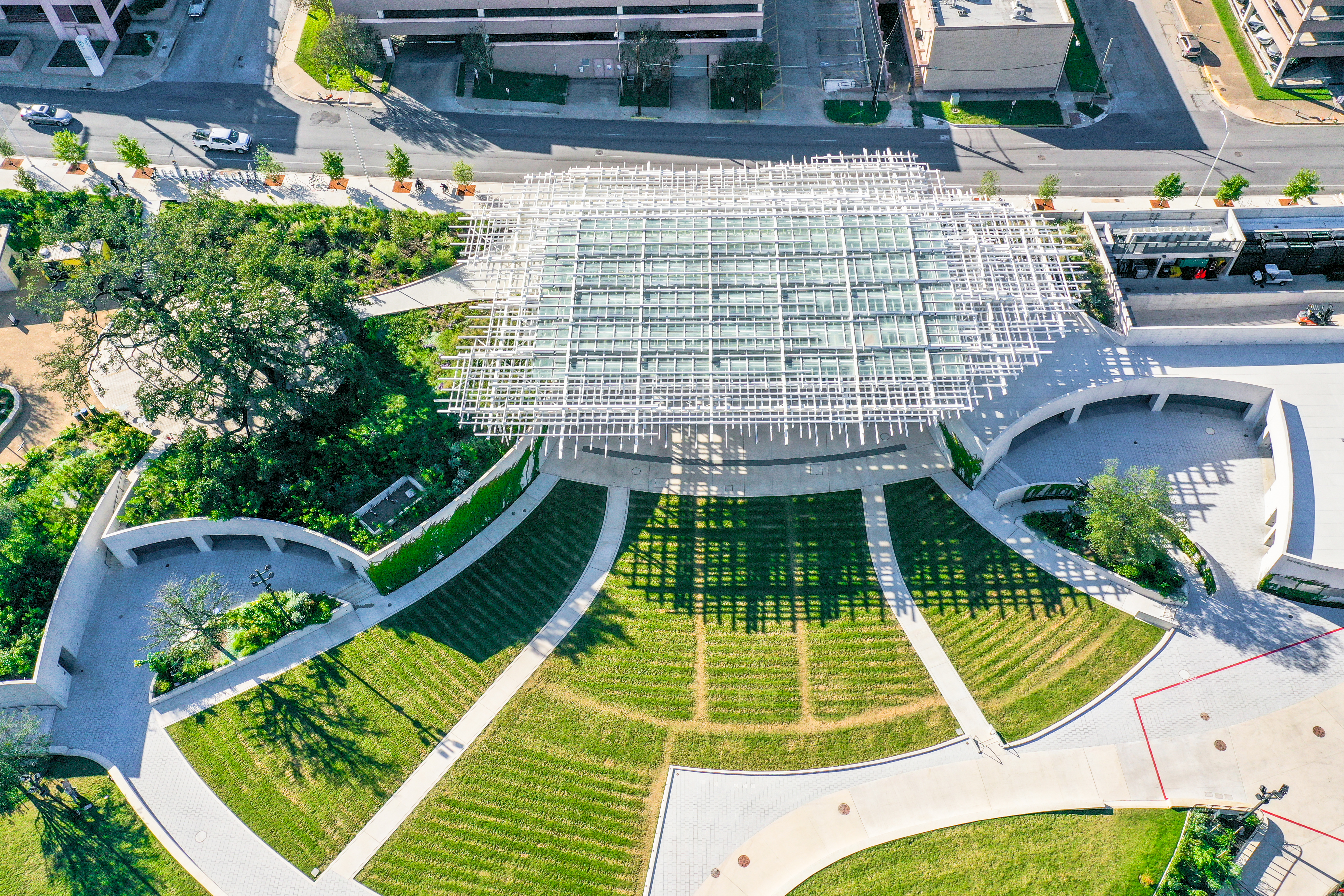
Aerial view of Waterloo Greenway in downtown Austin
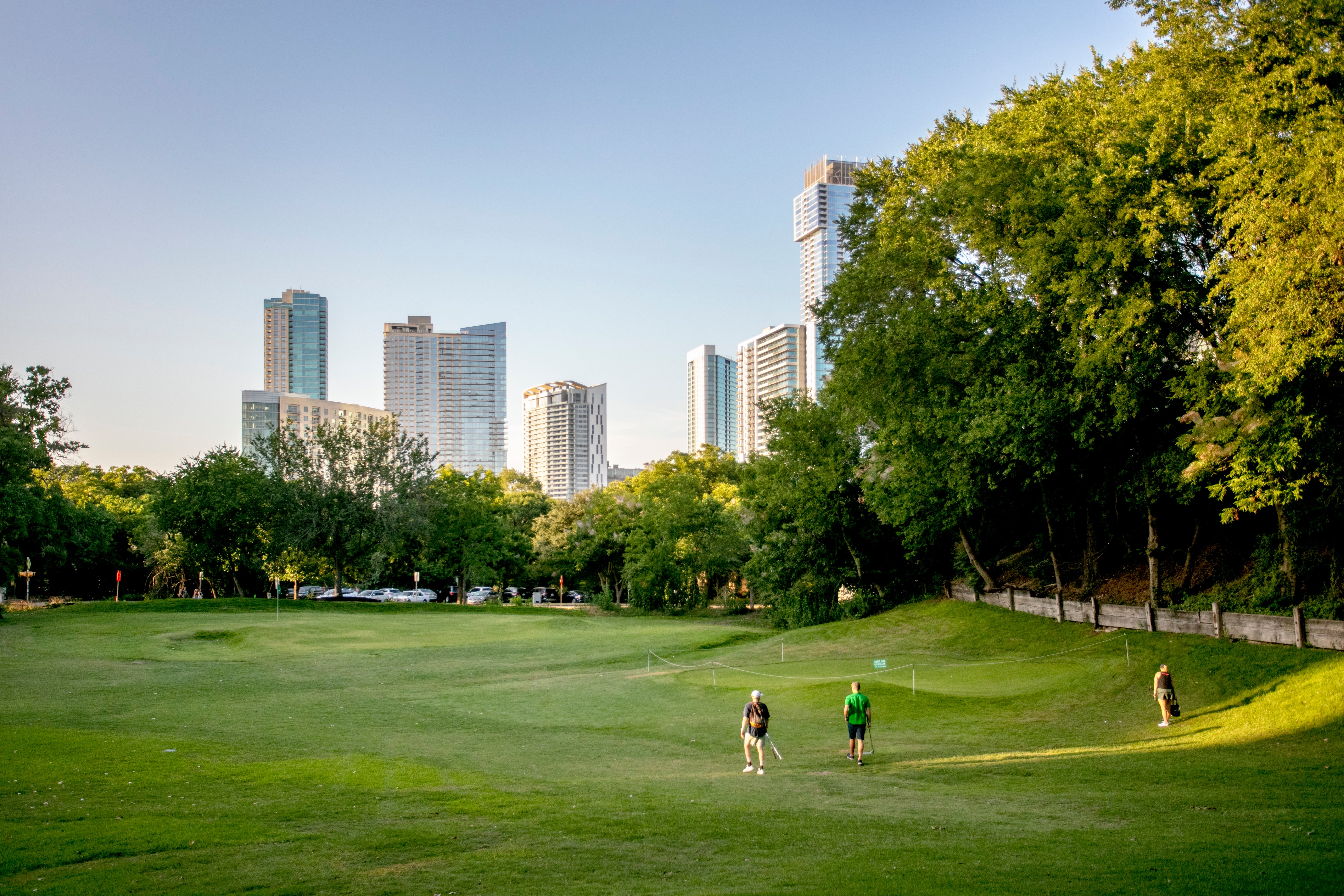
Butler Pitch and Putt with the Austin skyline
Comfort starts with heat
“Where will shade fall at 3 p.m. in July? Which surfaces will children touch, and how hot will they get?”

A playground in San Antonio or Fort Myers is a different design problem than one in Minneapolis. Under tree canopy or a shade sail, the same surfaces stay close to the surrounding air temperature. In full sun, they can burn.

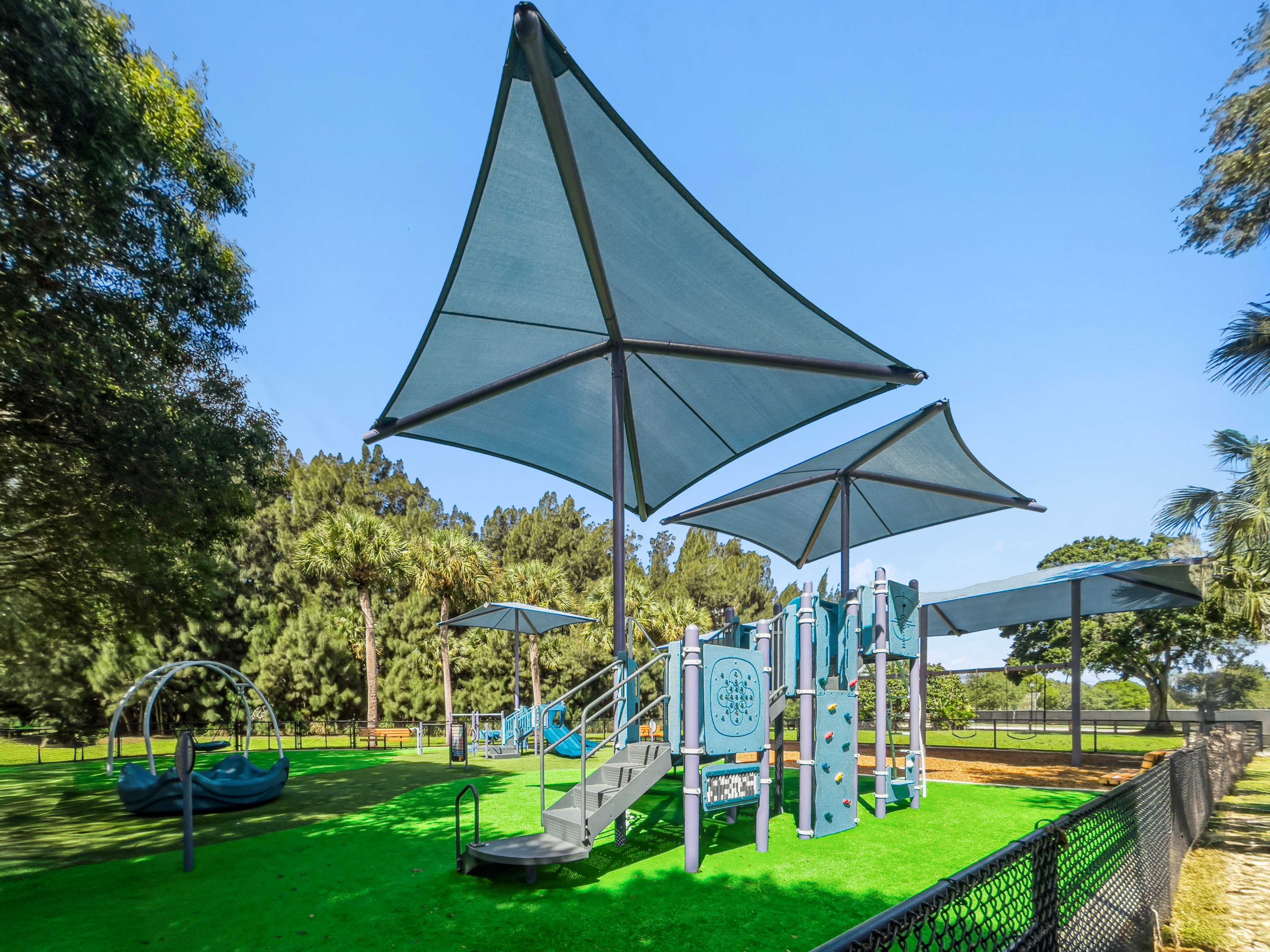
Shade structures over the Maplewood Park playground
160°F
sun-exposed plastic slides, measured in a Phoenix-area playground study
180°F
rubber safety surfacing in the same study, well above the contact-burn threshold
20%
the most of an alteration's cost owners are generally required to put toward accessible path-of-travel upgrades
$50K
Texas public projects at or above this cost must register with TDLR for accessibility review
For municipal owners and agencies

Every decision has a window

Before the window closes, a decision is inexpensive to shape. After it closes, changing course means redesign, change orders, or a park that underperforms for its whole life.

  1. At budget approval

    Funding, maintenance ownership, and accessibility costs lock in first.

  2. Before concept design

    Community priorities and climate goals frame the concept rather than react to it.

  3. By design development

    Stormwater, the native ecosystem plan, and utility capacity settle as the layout takes shape.

  4. At construction documents

    Surfacing gets matched to the maintenance budget before it's built into the park.

Case in point · Austin, Texas

Waterloo Greenway

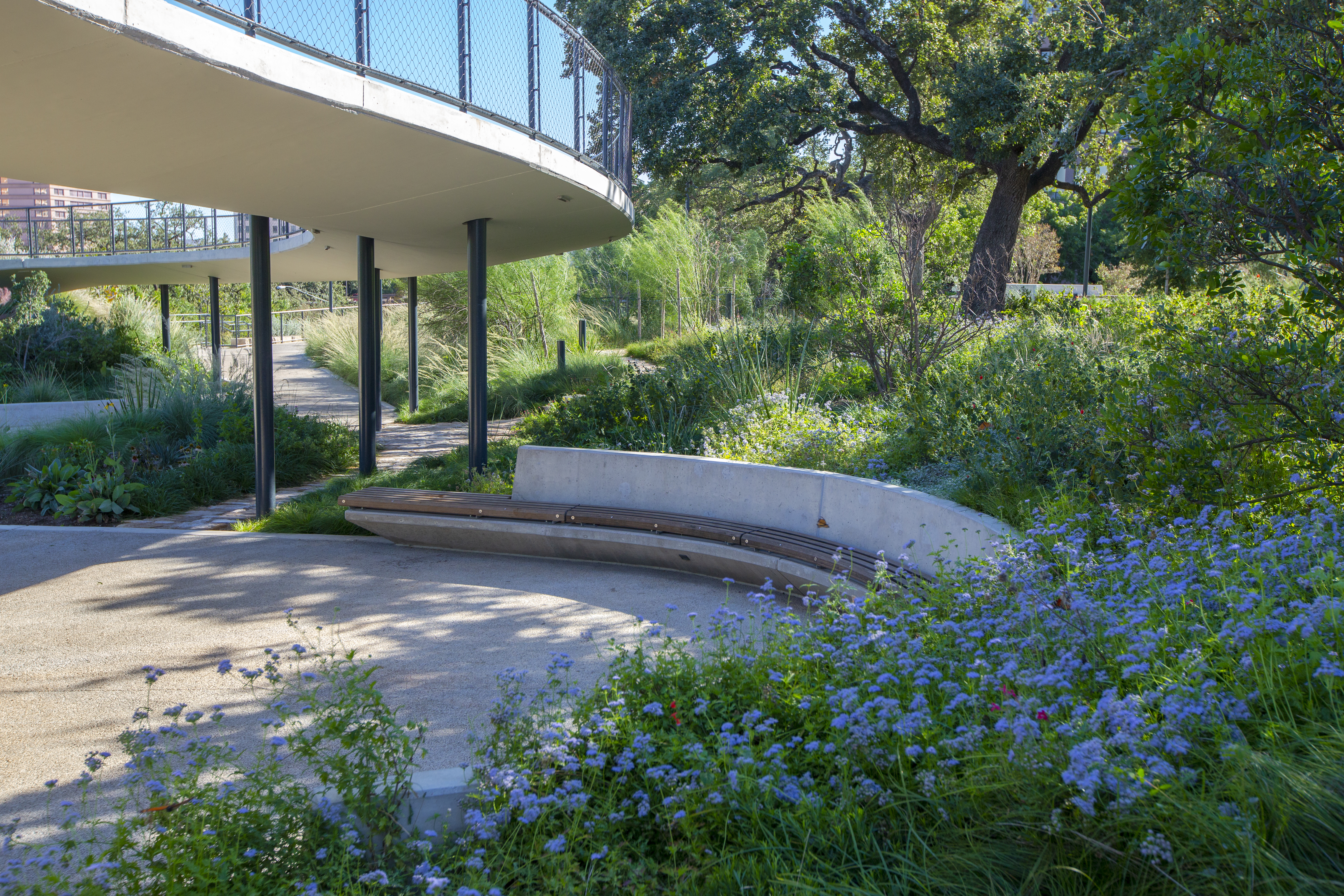
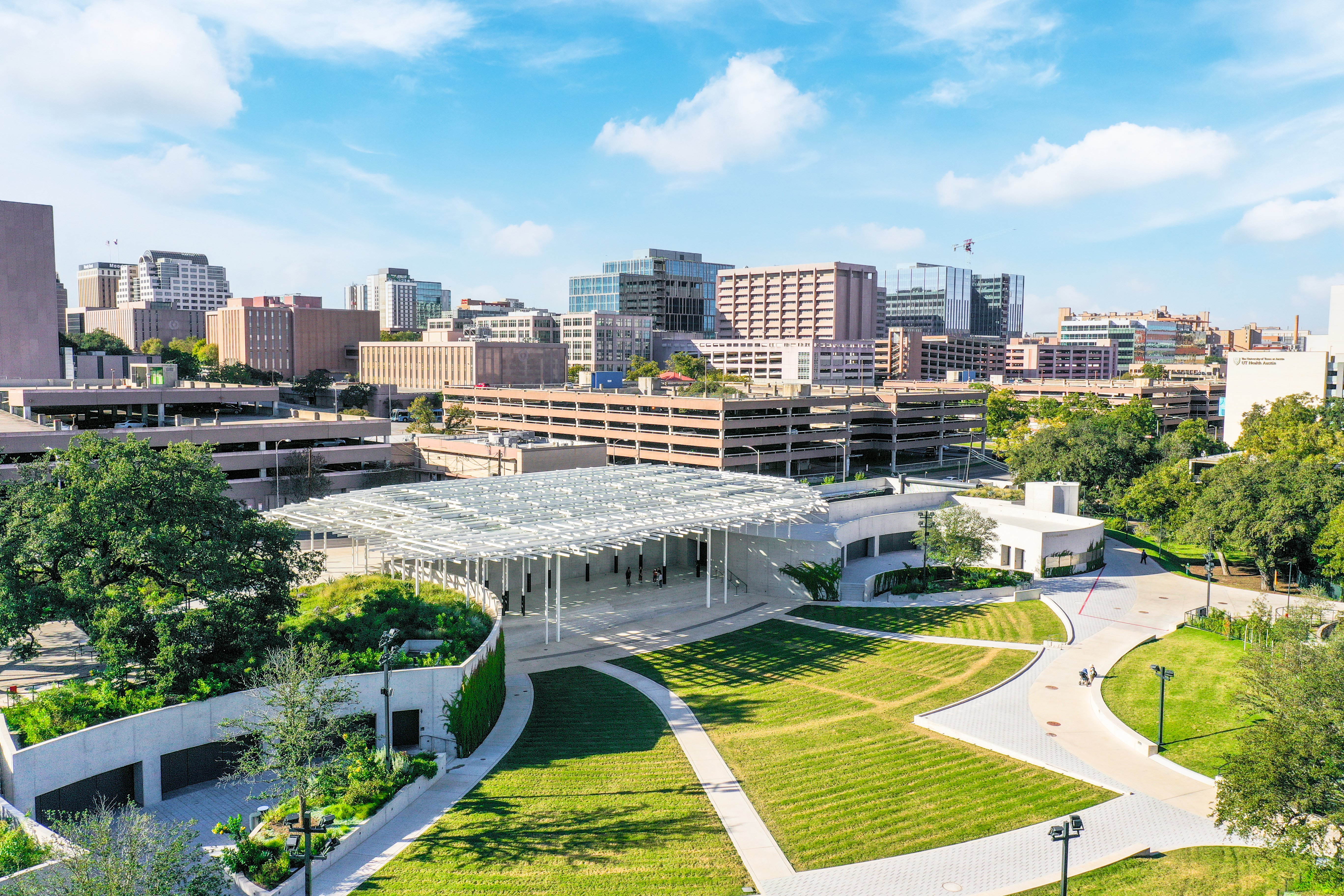
For decades Waller Creek flooded parts of downtown Austin. With the City's flood tunnel carrying that water underground, the parks above it could be designed to add habitat, biodiversity, and shade. The Confluence, the second phase, restores the creek banks and adds a biofiltration pond that cleans water before it reaches Lady Bird Lake.

Aerial of Moody Amphitheater at Waterloo Park
Waterloo Park and Moody Amphitheater, from above.
Planted terraces along Waterloo Greenway
Native plantings along the restored banks.
Waterloo Greenway against the Austin skyline
Green infrastructure in a dense downtown.
28+ ac
taken out of the floodplain by the Waller Creek Tunnel
13 ac
restored and reconstructed along Waller Creek in The Confluence
~1,600
trees, plus 200,000 mature plants, along the restored banks
2026
ULI Austin Best Public Place, awarded to The Confluence

WGI provided civil engineering and permitting for both phases, working on a design team led by Michael Van Valkenburgh Associates and Thomas Phifer & Partners.

New playground equipment at Pickwell Park
For cities, counties, and agencies

Every new park becomes a long-term obligation. Learn which decisions lock in at budget approval, and how to plan for parks that hold up under tight operations and maintenance budgets.

Park and fields within the Waterset community
For private developers

Great parks sell homes, and after sell-out their upkeep lands in association fees. Protect the community's investment beyond the initial sales pitch.

Jason Mihalovits
Author
Jason Mihalovits, PLA, LEED AP
Director, Landscape Architecture, WGI
Darcy Nuffer
Author
Darcy Nuffer, PLA, ASLA, LEED AP
Studio Manager, WGI
From survey through construction

At Maplewood and Pickwell, WGI's landscape architects and civil engineers worked as one team from survey and concept through construction administration. At Waterloo, Butler, and Waterset, WGI's civil and MEP engineers delivered the infrastructure that made each park's program possible.

Most of the decisions that shape a park are made before the first rendering.

Plan a park that still works long after the ribbon cutting.

What Makes a Park World-Class · Free download

Download now
Get your copy of What Makes a Park World-Class