The regulatory line keeps moving. The water does not.
For a growing number of sites, the answer to "Do I still need a federal wetland permit?" is no. An owner who stops there has answered one question out of several. The wetland on the ground has not changed, only its federal status.
Delineation is not jurisdiction
One wetland line on the property, two separate questions. Where the wetland is has barely changed. Who regulates it is what the headlines are about.
Florida regulates every delineated wetland
Connected or not. A 2,000-acre citrus grove with no federal jurisdiction still needed state permits for several hundred acres of wetlands and surface waters.
Wetlands are not necessarily wet lands
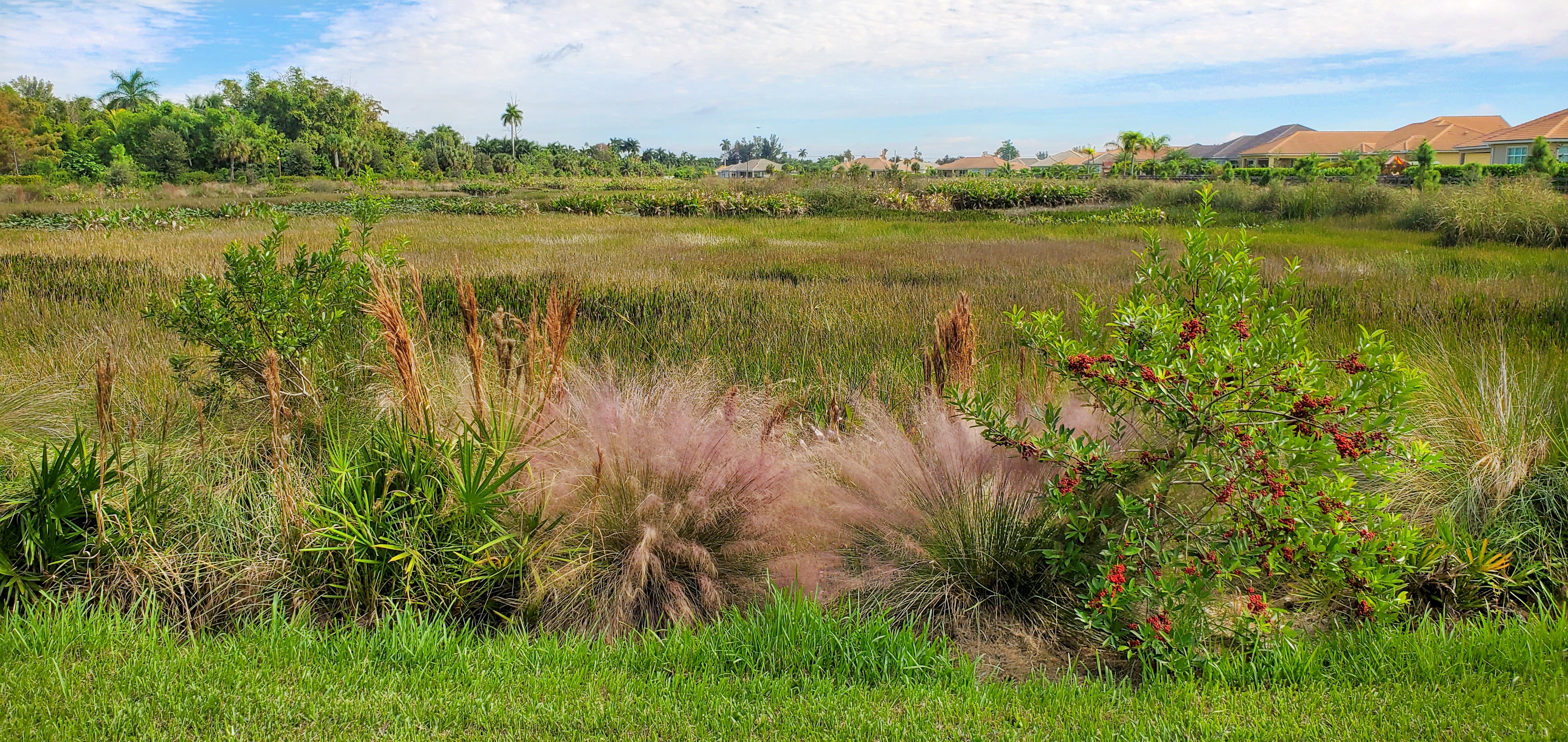
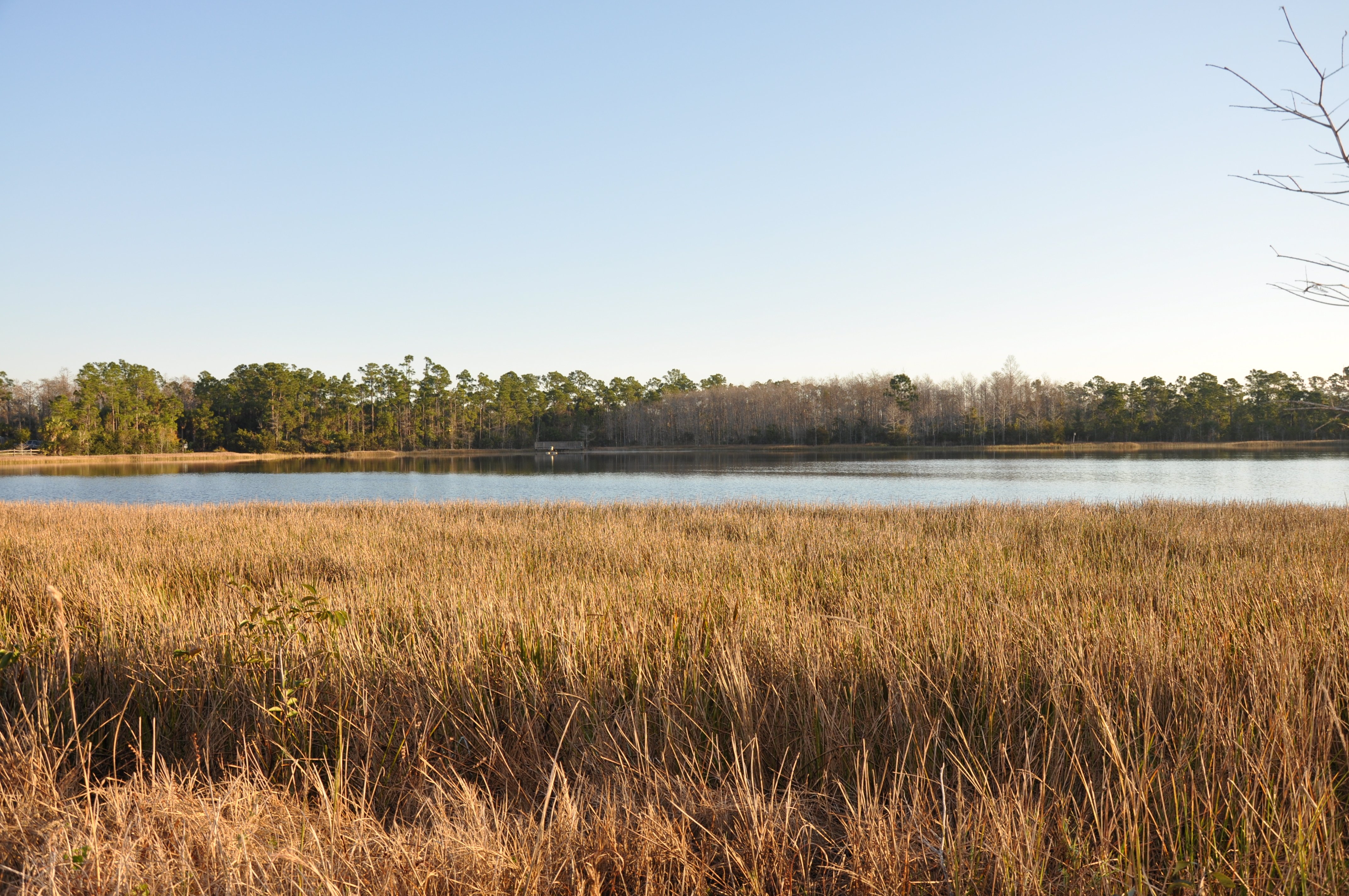
Owners describe a site as high and dry, and a delineation finds wetlands across much of it. Many hold no surface water for months.
Rate, not volume
Attenuation rules match peak discharge rates, not total runoff. A project can satisfy every rule and still sit in a basin carrying more water than it used to.
"The question was never whether the wetland appears on the plan. It is whether the design maintains the hydroperiod the wetland formed under."
Florida has required stormwater systems since 1983. What has moved is how a preserved wetland is allowed to relate to that system. A wetland preserved on the plan but cut off from the runoff it used to receive will not perform the way the drawing suggests.
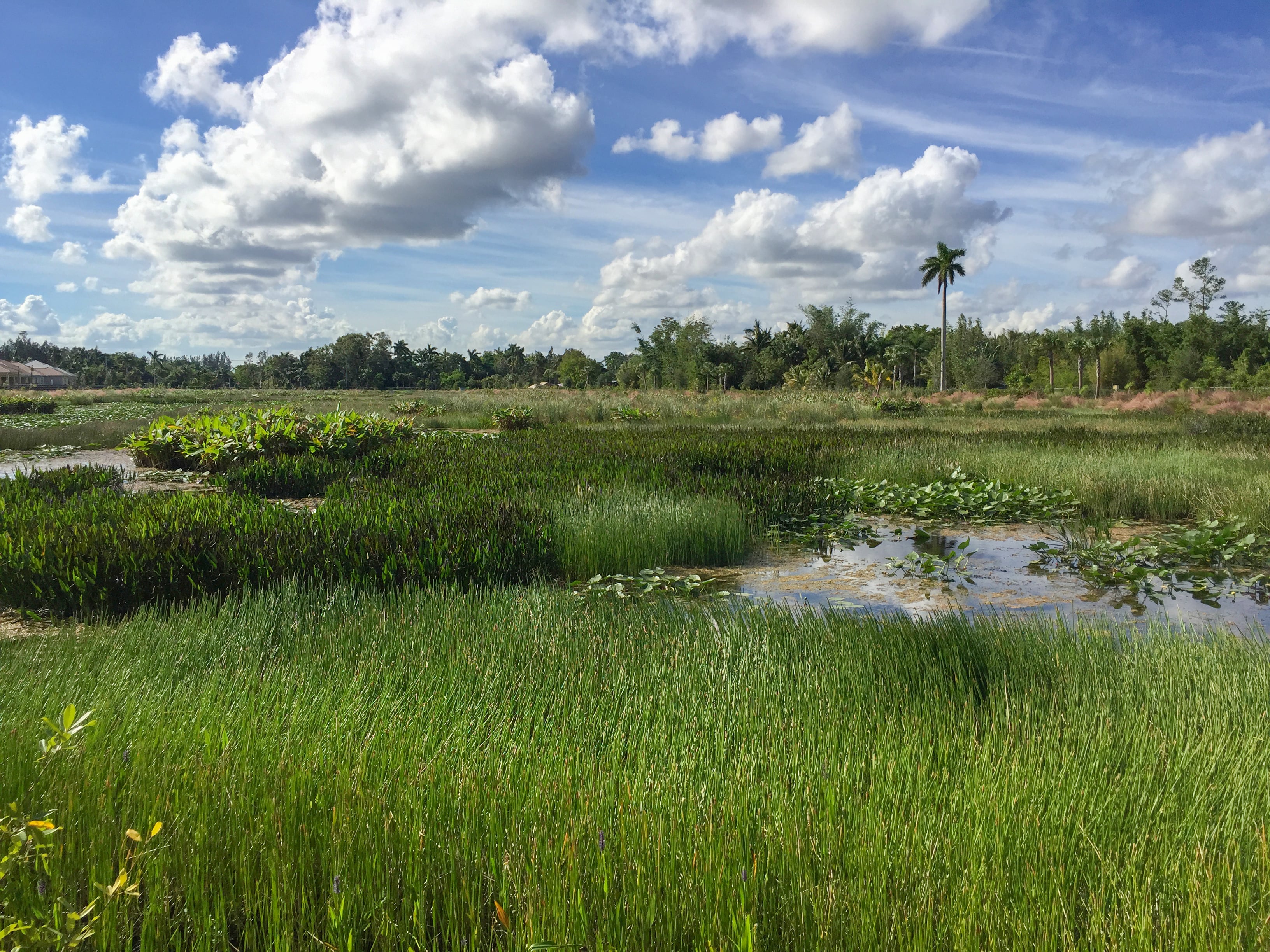

Sterling Ranch
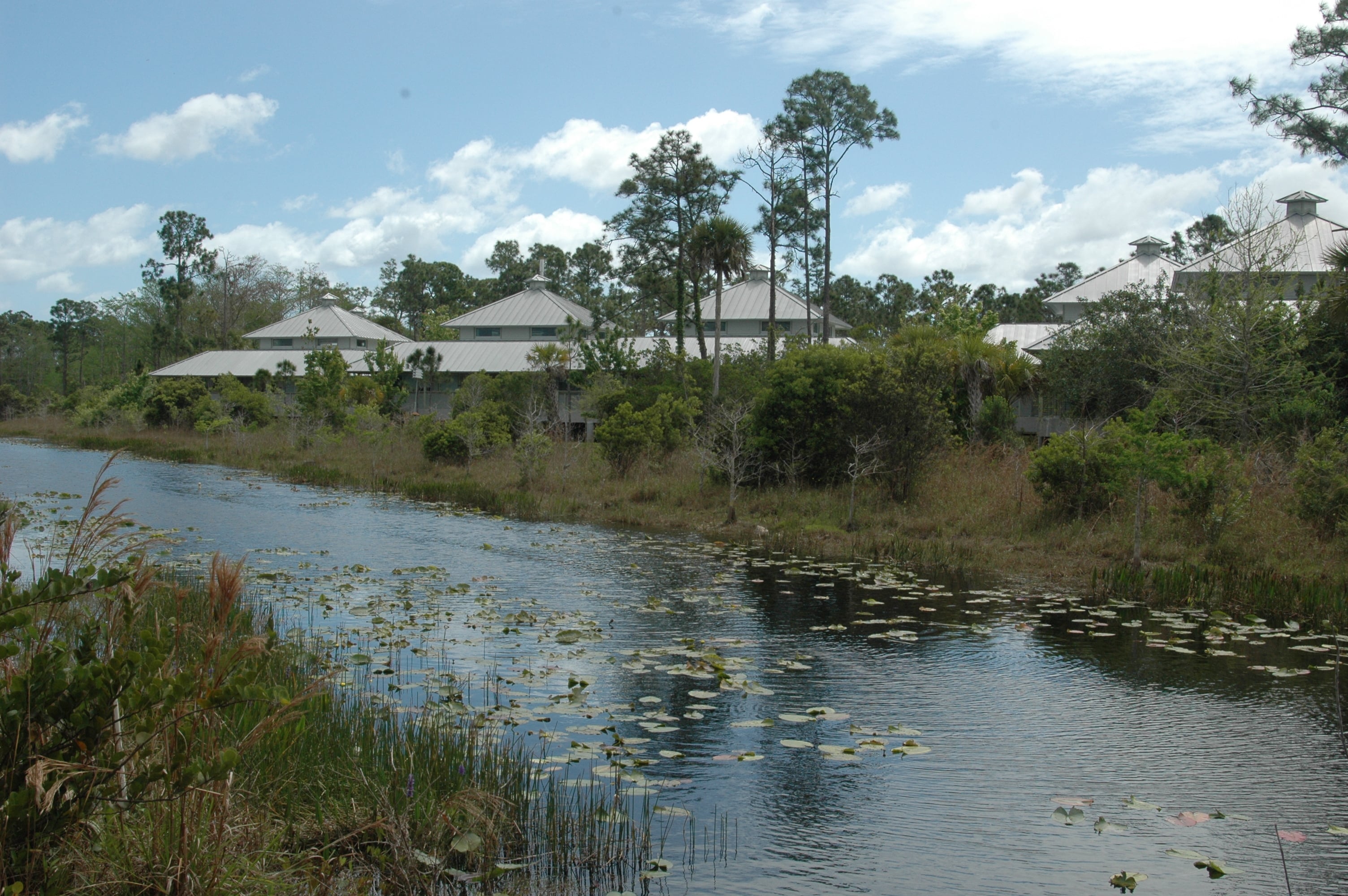
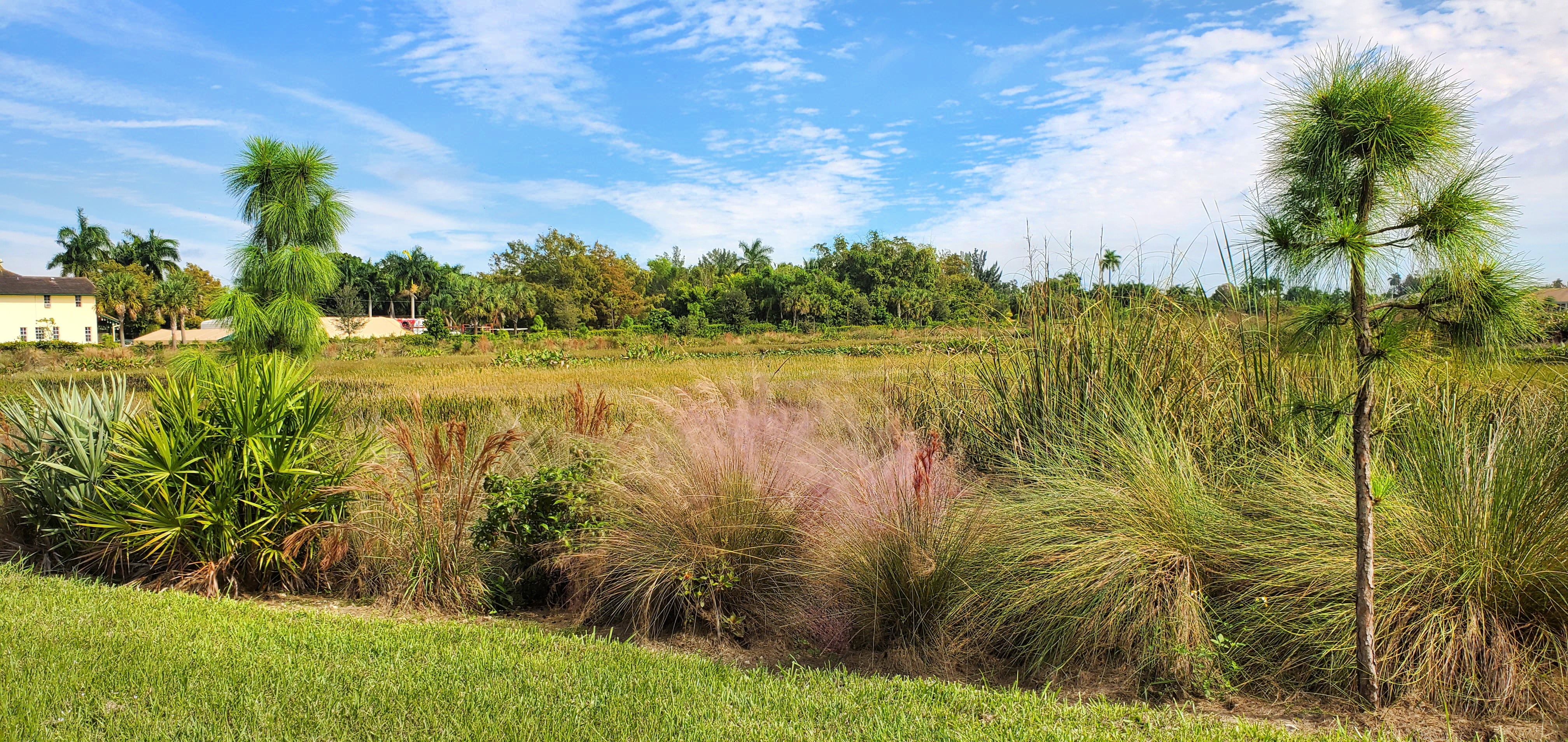
A 96-acre residential community with roughly 29 acres of degraded, melaleuca-dominated wetland and five reviewing agencies. WGI restored and created an 11.51-acre preserve modeled on the Everglades, with bank credits covering the remainder. The community's stormwater passes through the preserve before it leaves the site.
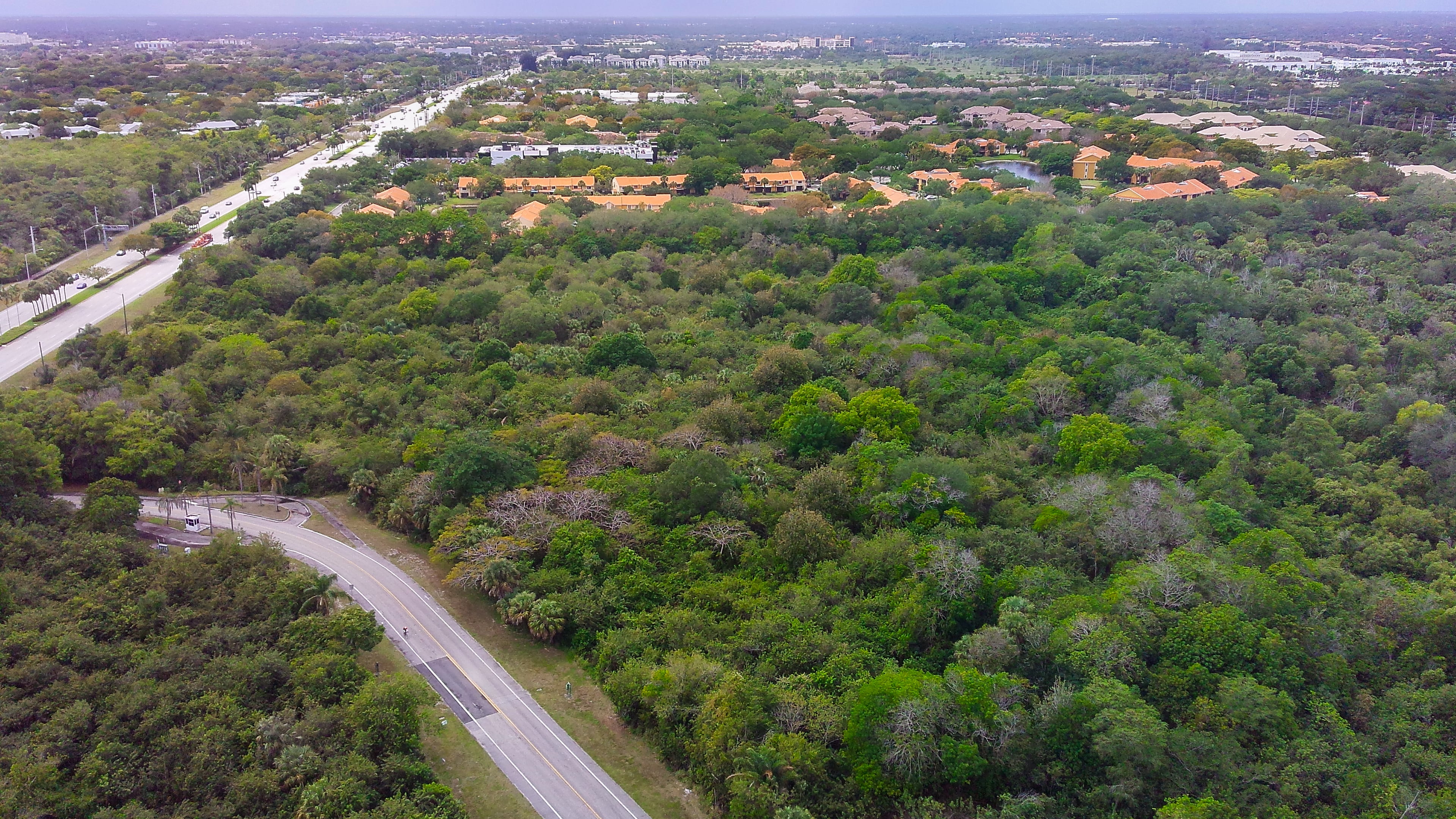
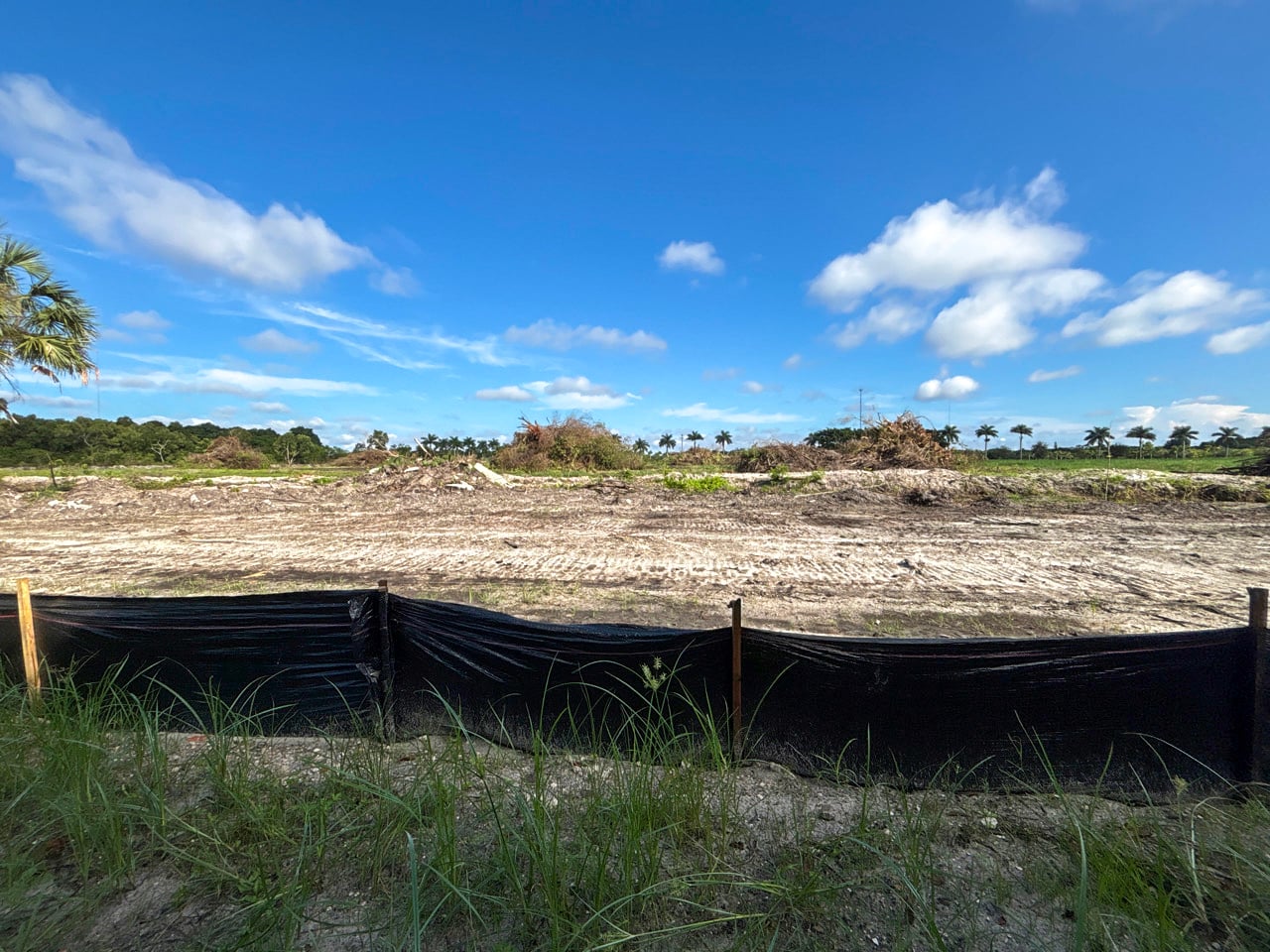
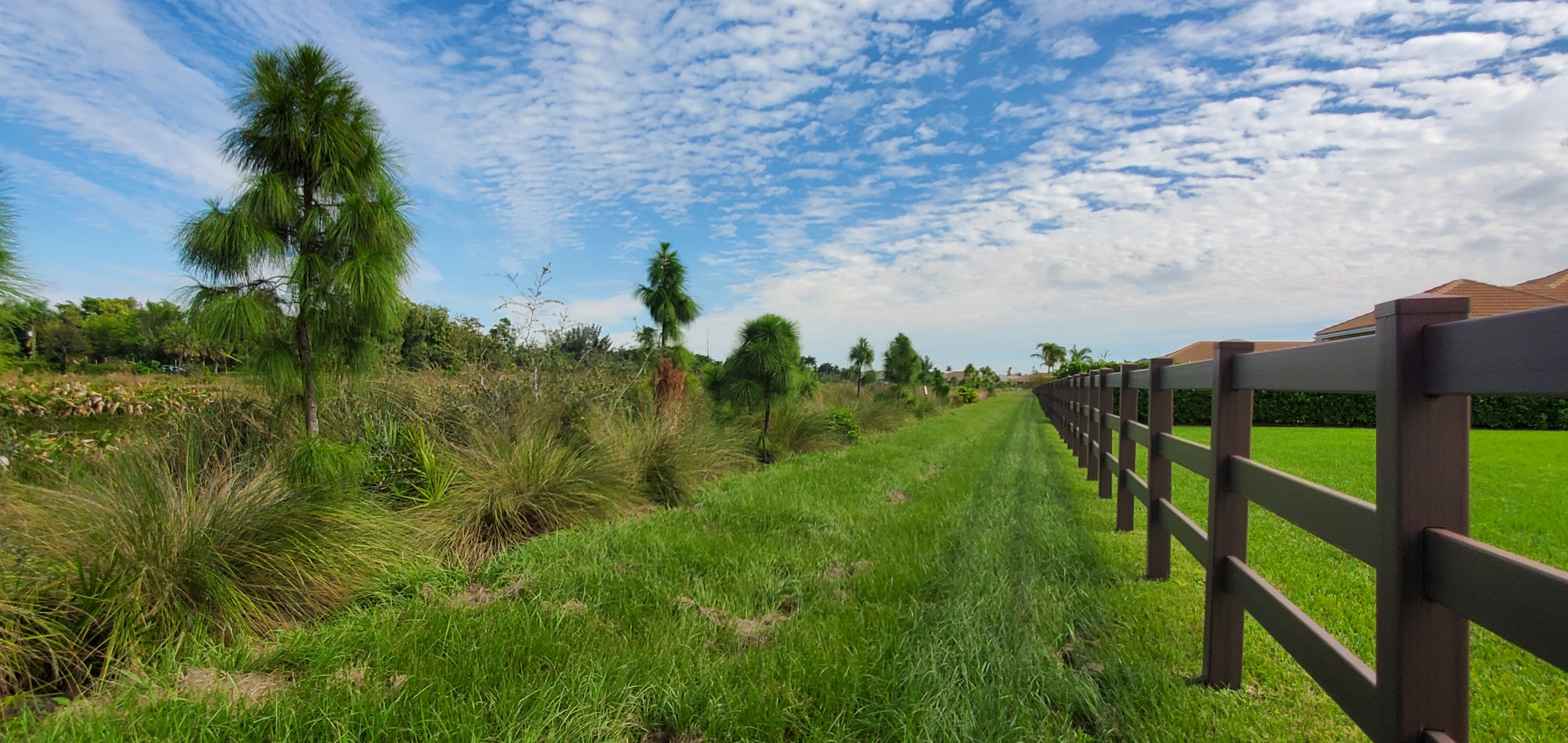
WGI stayed with the project from permitting in December 2012 through monitoring and maintenance ending February 2024. Broward County review staff now use Sterling Ranch to train new employees.
Whether a site you are about to buy, or already own, carries obligations you have not priced in. The questions to ask in due diligence, before a site plan exists.
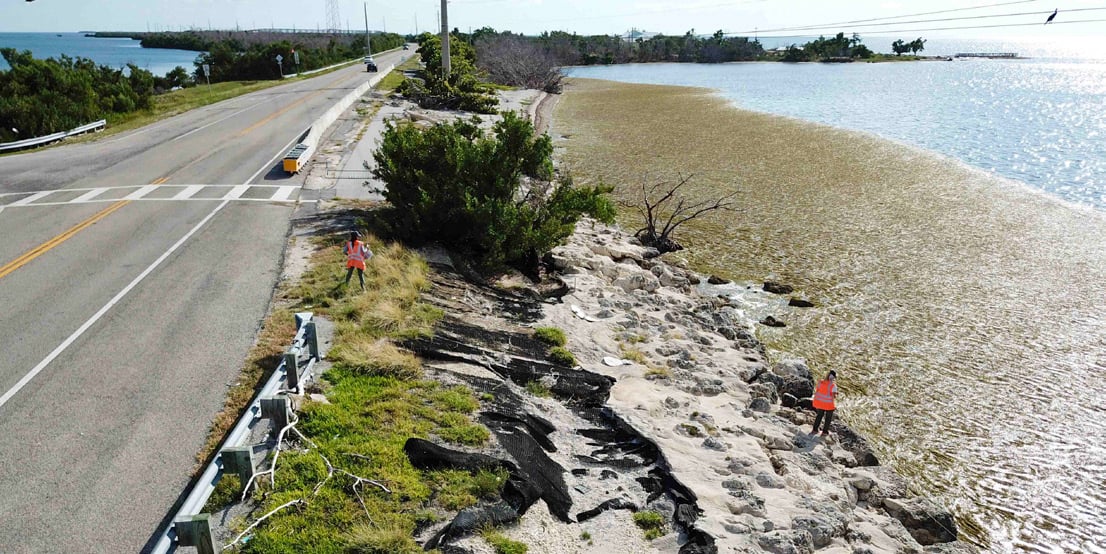
How ordinances and comprehensive plan policies treat wetlands the federal program no longer covers will shape development capacity and flood exposure for decades.


WGI's environmental scientists delineate wetlands, coordinate with regulators from the first site visit, and design mitigation that fits both the permit and the site. Water resources engineers design the stormwater system around those decisions, so drainage, treatment, and mitigation are solved together on the same site plan.